The Ultimate Guide to Creamy Baked Feta Pasta (Without the Hype)
Is it possible to turn a viral internet sensation into a reliable, weeknight staple that actually tastes incredible? The answer is a resounding yes. While the internet went wild over a simple block of cheese and tomatoes, mastering the technique to get that restaurant-quality creaminess at home is a game-changer. You control the saltiness, the freshness of the herbs, and the exact texture of the sauce.
Making this dish yourself means no more mystery ingredients, significant cost savings compared to dining out, and the confidence that comes from knowing exactly how to whip up one of the most beloved pasta trends of the decade. Whether you are recreating the famous Baked Feta Pasta for the first time or looking to perfect your technique, this guide has you covered. We are going to break down the method, troubleshoot common issues, and turn that viral baked feta pasta into your new comfort food classic.
Table of Contents
Materials & Supplies
To achieve the perfect creamy texture without a heavy cream sauce, the quality of your ingredients matters. Here is everything you need to get started.
Ingredients
Block of Feta Cheese (approx. 7-8 oz): Do not buy crumbles; a solid block in brine is essential for the best flavor and melt. Substitution:* Goat cheese for a tangier, smoother result.
Cherry or Grape Tomatoes (2 pints): These burst beautifully and create a natural sweetness. Substitution:* Diced Roma tomatoes if necessary, but they release more water.
- Extra Virgin Olive Oil (1/3 cup): This creates the emulsion. Use a good quality oil as it is a primary flavor carrier.
- Garlic (4-5 cloves, thinly sliced): Slicing prevents burning better than mincing in the high-heat oven environment.
- Red Pepper Flakes (1/2 tsp): Adds a gentle background heat. Adjust to preference.
- Kosher Salt & Black Pepper: To taste.
- Fresh Basil (1/2 cup, chopped): Essential for freshness.
- Pasta (12-16 oz): Short pasta shapes work best. Fusilli, penne, rigatoni, or orecchiette are ideal for catching the sauce.
- Lemon (1/2, for zest): The secret weapon to cut through the richness.
Kitchen Tools
- Large Baking Dish (9×13 inch): Ceramic or glass works best for even heating.
- Large Pot: For boiling the pasta.
- Colander: For draining.
- Chef’s Knife & Cutting Board: For prepping veggies and herbs.
- Measuring Cups & Spoons: For accuracy.
- Wooden Spoon or Spatula: For stirring the sauce.
Timing / Cooking Schedule
Making this dish is surprisingly hands-off, making it perfect for a busy evening.
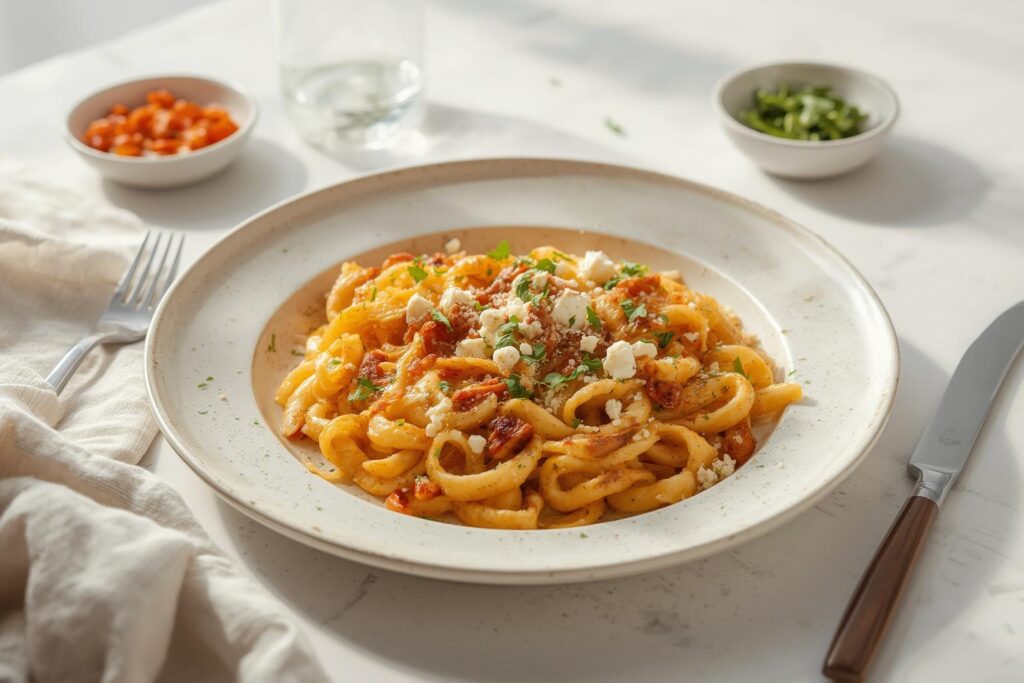
- Prep Time: 10 minutes
Comparison:* This is roughly the time it takes to boil water and chop your veggies.
- Cook Time: 35 minutes
Comparison:* The oven does all the work here, allowing you to set the table or clean up.
- Total Time: 45 minutes
Comparison:* Faster than waiting for delivery on a Friday night.
Step-by-Step Instructions
Follow these steps precisely to ensure the tomatoes burst into a jammy sauce and the feta melts into a creamy cloud.
1. Preheat and Prep: Preheat your oven to 400°F (200°C). Place the block of feta cheese right in the center of your baking dish.
2. Combine Veggies and Oil: Dump the washed cherry tomatoes and sliced garlic cloves around the feta block. Drizzle the entire contents of the dish generously with the olive oil. Sprinkle in the red pepper flakes and a good pinch of salt and black pepper.
3. The First Bake: Toss everything gently with your hands or a spoon just to coat the tomatoes in oil, but keep the feta centered. Bake uncovered for 30–35 minutes. You are looking for two signs of doneness: the tomatoes should have burst and released their juices, creating a jammy red mixture, and the feta should be soft and lightly browned on top.
4. Boil the Pasta: While the dish is baking, bring a large pot of salted water to a boil. Cook your pasta until it is al dente (usually 1–2 minutes less than the package instructions). Crucial Tip: Reserve about 1 cup of the starchy pasta water before draining. This starchy water is the key to binding the sauce.
5. Create the Sauce: Remove the baking dish from the oven. Immediately add the chopped fresh basil and the lemon zest to the hot dish. Begin smashing the tomatoes and feta together with a wooden spoon or potato masher. Stir vigorously until the cheese and tomatoes emulsify into a creamy, pink sauce. If it looks too thick, splash in a little of the reserved pasta water, one tablespoon at a time, until it reaches a silky consistency.
6. Combine and Serve: Add the drained pasta directly into the baking dish (or a large bowl if your dish is small). Toss the pasta thoroughly to coat every noodle in the sauce. Taste and adjust seasoning with more salt, pepper, or red pepper flakes if needed.
When you nail this method, you realize that the magic of Baked Feta Pasta lies in the emulsion of fat and starch. While the internet buzz might have focused on the simplicity, the execution is where the texture shines. This version of the viral baked feta pasta relies on the heat of the oven to concentrate the tomato flavor, creating a depth that stovetop sauces often lack.
Nutritional Benefits / Advantages
While pasta is often seen as a comfort food, there are distinct advantages to making this specific version at home.
- Ingredient Control: You decide how much salt goes in. Store-bought sauces are often loaded with sodium and preservatives. By using fresh feta, tomatoes, and herbs, you eliminate these additives.
- Healthy Fats: The generous use of olive oil provides heart-healthy monounsaturated fats. Unlike heavy cream sauces that can feel heavy, the fat here comes from the cheese and oil, which are easier to digest for many people.
- Lycopene Powerhouse: Cooked tomatoes are an incredible source of lycopene, a powerful antioxidant. Roasting them as we do in this recipe significantly increases the bioavailability of this nutrient.
- Cost & Sustainability: A block of feta and a pint of tomatoes is significantly cheaper than a takeout meal. It also reduces food waste by utilizing a single baking dish and reducing packaging compared to buying pre-made sauces.
Tips, Alternative Methods, or Cooking Advice
Don’t have an oven? No problem. You can replicate this texture on the stovetop.
- Stovetop Method: Sauté the garlic and tomatoes in a skillet with oil over medium-high heat until the tomatoes burst (about 10-12 minutes). Lower the heat to low, add the block of feta (broken into chunks), cover, and let it steam/melt for 5 minutes. Stir vigorously to combine, then toss with pasta and pasta water.
- Air Fryer Method: Place feta and tomatoes in a heat-safe dish that fits in your air fryer basket. Cook at 375°F for 15-20 minutes, checking frequently.
- Dietary Swaps:
* Gluten-Free: Use your favorite GF pasta (chickpea or lentil pasta holds up well here).
* Dairy-Free: Swap the feta for a block of firm tofu marinated in lemon juice, salt, and nutritional yeast.
- Small Kitchen Hack: If you don’t have a large baking dish, use a high-walled skillet. You can bake it in the oven just the same.
Common Mistakes to Avoid
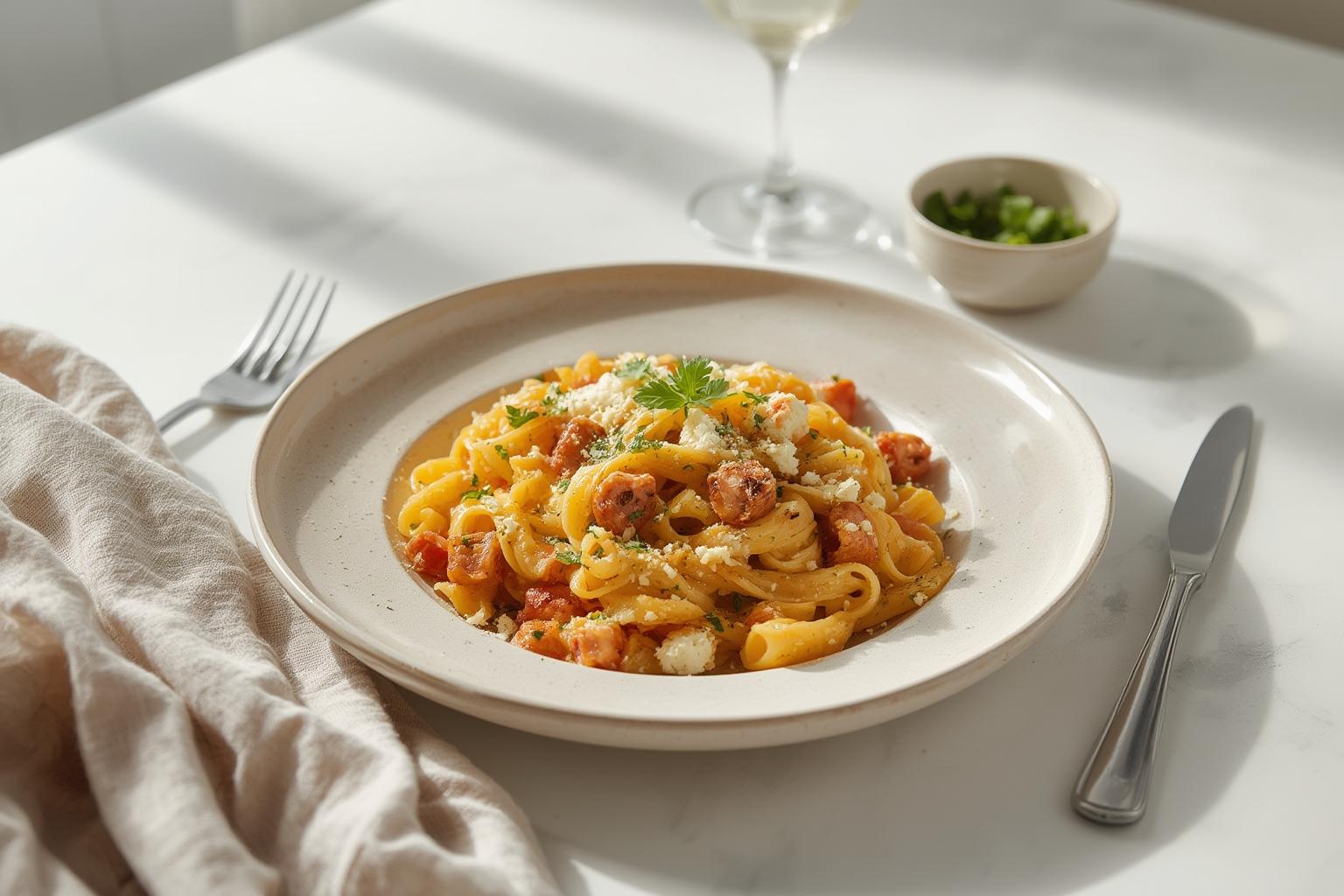
Even simple recipes have pitfalls. Here are the most common errors and how to avoid them.
1. Using Crumbled Feta: Pre-crumbled feta is often coated in cellulose to keep it from clumping, which prevents it from melting into a creamy sauce. Always buy the block.
2. Under-oiling the Tomatoes: The tomatoes need to swim in oil to roast properly and prevent burning. If the oil is too scant, the garlic will burn before the tomatoes burst.
3. Overcooking the Pasta: Since you are tossing the pasta with the hot sauce, the pasta will continue to cook slightly. If you boil it to full softness, it will turn mushy in the final dish.
4. Skipping the Pasta Water: This is the most common mistake. Without that starchy water, the sauce will be clumpy and heavy rather than silky and emulsified.
5. Wrong Dish Size: If your dish is too big, the oil spreads out and the tomatoes don’t roast; they just dry out. If it’s too small, they steam instead of roasting. A 9×13 is the sweet spot.
Storage / Maintenance Tips
Leftovers are excellent, but you must handle them correctly to maintain the texture.
- Refrigeration: Store cooled leftovers in an airtight container in the fridge for up to 4 days.
- Freezing: You can freeze the sauce (without the pasta) for up to 2 months. Thaw in the fridge overnight. The texture of the feta sauce may change slightly (becoming a bit more grainy), but a vigorous stir usually brings it back together.
- Reheating:
* Microwave: Add a splash of water or milk to the bowl to loosen the sauce before heating.
* Stovetop: This is the best method. Place the pasta in a skillet with a splash of water or olive oil. Heat gently while tossing constantly to revive the sauce.
- Avoid the Oven: Do not reheat the pasta in the oven, as it will dry out the noodles and separate the sauce.
Conclusion
Mastering this dish is proof that you don’t need complex techniques to create a meal that tastes like it came from a high-end Italian kitchen. By understanding the balance of heat, fat, and acid, you can move beyond the trend and add a reliable recipe to your rotation. It is economical, highly customizable, and deeply satisfying.
We hope this guide gives you the confidence to preheat your oven and give this a try. Have you perfected your own twist on the Baked Feta Pasta? Or do you have a unique add-in like spinach or olives? Let us know in the comments below—we love seeing how you make these recipes your own. If you enjoyed this breakdown of the viral baked feta pasta, share it with a friend who is ready to ditch the jarred sauce for good!
FAQs
Can I use a different type of tomato?
Yes. While cherry tomatoes are best for their sweetness and low water content, you can use diced Roma tomatoes. You may need to reduce the oven time slightly as Romatoes release more water. Avoid large beefsteak tomatoes, as they are too watery.
Why is my sauce grainy instead of creamy?
This usually happens if the feta wasn’t high quality or if it was overcooked. If you used crumbled feta, it will not melt smoothly. To fix a grainy sauce, add a splash of hot pasta water and whisk vigorously; the starch can help smooth it out.
Is this recipe healthy?
It is a balanced meal. It provides vegetables, healthy fats from olive oil, protein from the cheese, and carbohydrates from the pasta. It is much healthier than heavy cream-based pasta dishes because it relies on the natural creaminess of the cheese and emulsification rather than added dairy fat.
Can I add meat to this dish?
Absolutely. Italian sausage (crumbled and browned beforehand), grilled chicken strips, or shrimp are excellent additions. Add cooked meat in the final step when tossing the pasta with the sauce.
How do I make it spicy?
If you like a significant kick, double the red pepper flakes in the roasting step, or add a dash of Calabrian chili paste when you stir the sauce together. Serving with chili oil on the side is also a great option.