Hosting a Party Without the Stress: Your Ultimate Guide to Charcuterie Board Ideas
Let’s be honest—we all want to be the person who effortlessly brings out a stunning, restaurant-worthy appetizer when friends come over. But who has hours to spend in the kitchen? If you’ve ever wondered how to create a beautiful spread without losing your mind, you’re in the right place.
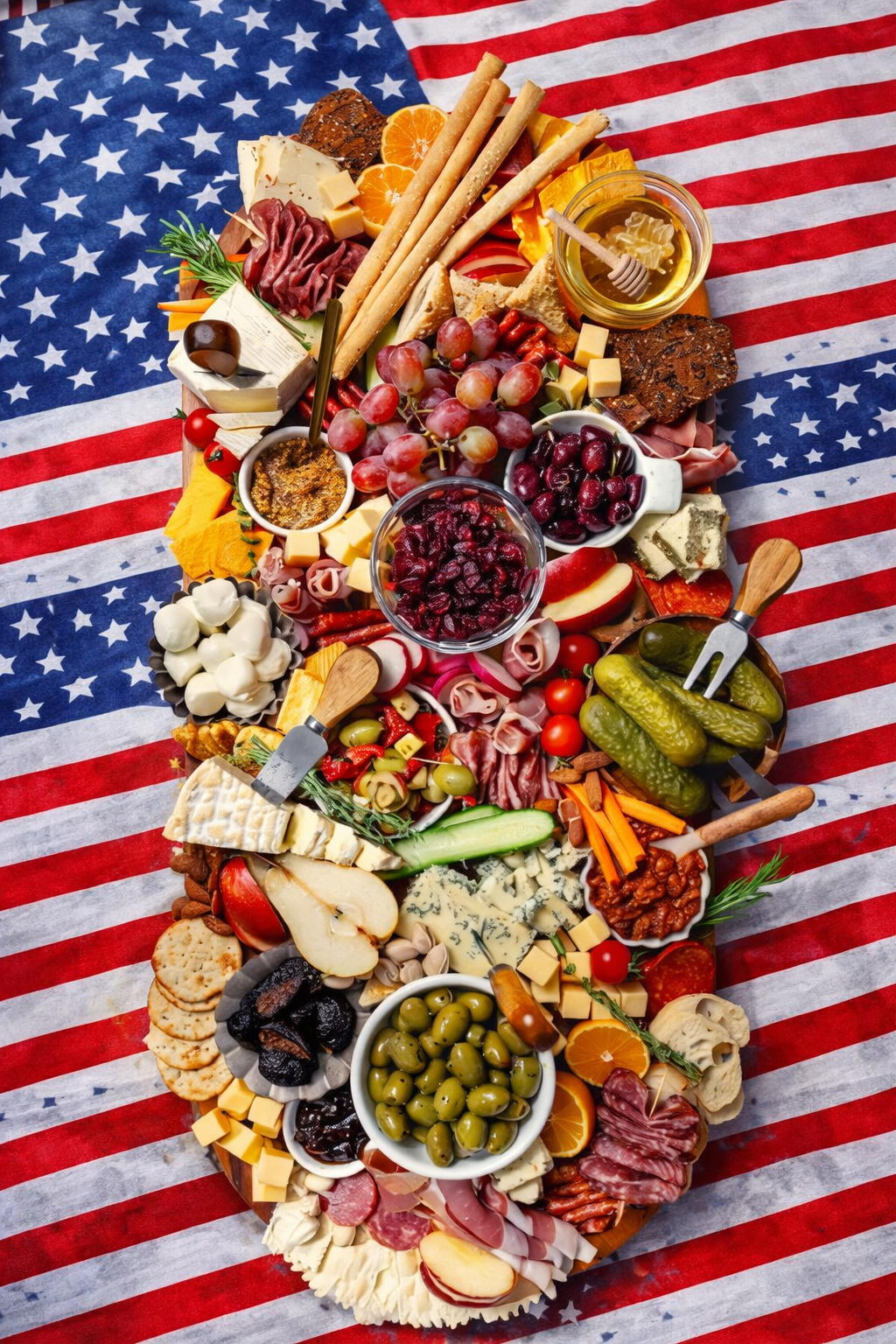
Making a stunning platter at home isn’t just about impressing your guests; it’s about controlling exactly what goes into your food, saving a ton of money, and enjoying the freshest ingredients possible. Whether you’re planning a holiday gathering or a casual Friday night with friends, having a go-to plan for Charcuterie Board Ideas is a total game-changer. Today, we’re breaking down how to assemble a truly easy charcuterie board that looks like you hired a caterer, but took all the credit.
Table of Contents
Materials & Supplies
Creating a gorgeous board is all about the components. You don’t need fancy or expensive items, just a good variety of textures and flavors.
The Foundation (Pick 1-2):
- Wooden Board or Marble Slab: The classic vessel. A large cutting board works perfectly. If you don’t have one, a clean baking sheet or even a large ceramic platter will do in a pinch.
- Slate Tile: A trendy and inexpensive option from the hardware store.
The Cheeses (Pick 3-4 varieties):
- Hard Cheese: Aged white cheddar, Manchego, or Gouda. These provide a firm, savory base.
- Soft Cheese: Brie, Camembert, or a goat cheese log. These bring the creamy, luxurious element.
- Salty/Sharp Cheese: Blue cheese, Feta, or Pecorino. A little goes a long way for a big flavor punch.
Tip:* Aim for a mix of cow, sheep, and goat milk cheeses for variety. Take cheese out of the fridge 30 minutes before serving for the best flavor.
The Meats (Pick 3 varieties):
- Folded/Cured: Salami, Prosciutto, or Coppa. Folding them into little rosettes makes them look fancy and is easy for guests to grab.
- Spicy: Soppressata or Calabrese for a kick.
- Mild: Turkey or Chicken slices for those who prefer less intensity.
The Sweet Element:
- Fresh Fruit: Grapes, sliced figs, strawberries, or raspberries.
- Dried Fruit: Dried apricots, mango slices, or cranberries.
- Honey or Jam: A small dish of honeycomb, fig jam, or a grainy mustard adds a dipping option.
The Salty & Briny Element:
- Olives: Castelvetrano (buttery green) or Kalamata (briny purple). Use a small bowl to avoid olive juice all over the board.
- Pickles: Cornichons (tiny pickles) or pickled onions.
- Nuts: Marcona almonds, walnuts, or pistachios.
The Crunch (The Vehicle):
- Crackers: A variety like water crackers, rosemary crackers, or seeded crisps.
- Bread: Sliced baguette (you can toast it lightly for texture) or breadsticks.
Tools You’ll Need:
- Small Bowls: For olives, honey, or jam to contain liquids.
- Cheese Knives: At least one soft cheese knife and one hard cheese knife. If you don’t have them, small butter knives or cocktail forks work.
- Small Spoons: For the jam or honey.
- Toothpicks or Cocktail Forks: For easy grabbing.
Timing / Cooking Schedule
- Prep Time: 20-30 minutes
- Assembly Time: 15 minutes
- Total Time: 35-45 minutes
This is the ultimate “do-ahead” appetizer. You can easily prepare all the components an hour or even a day before your guests arrive. Simply cover the prepared components and store them in the fridge. The actual assembly is fast and fun, making it a perfect weeknight-friendly project for unexpected guests or a planned weekend gathering. Since there’s no actual “cooking” involved, you can focus on being present with your guests instead of being stuck at the stove.
Step-by-Step Instructions
Step 1: Prep Your Ingredients
Before you even touch the board, get everything ready. Wash and dry your fruit. Slice any hard cheeses that aren’t pre-sliced (about 1/4 inch thick). Open your packages of soft cheese. If you’re toasting your baguette slices, do that now and let them cool. This mise en place (everything in its place) step is the secret to making the actual assembly feel effortless and helps you achieve those perfect Charcuterie Board Ideas.
Step 2: Place the Anchors
Start by placing your small bowls on the board first. This gives you anchor points to work around. Place them in different areas of the board (think corners or opposite sides) to create balance. Next, place your soft cheeses (like the brie) and your larger items (like a bunch of grapes) on the board. Don’t just plop them down; place the brie on its own small plate or a cheese knife-friendly spot.
Step 3: Arrange the Meats
Now, add your cured meats. The key here is to vary the texture. Don’t just lay slices flat. Fold salami slices into quarters or roll up prosciutto into little ribbons. Tuck them in around the bowls and cheeses. You want to fill the empty spaces, creating a lush, full look. This is the step where your board starts to look professionally done, making it one of the most requested easy charcuterie board layouts.
Step 4: Fill in with Cheeses and Crunch
Place your hard cheeses in the remaining empty spots. If you have a whole block, you can pre-slice half of it and fan the slices out for easy grabbing. Now, fill all the remaining gaps with your crackers and bread. You can stack them neatly or stand them up in a small bowl for height. The goal is to eliminate any empty space on the board.
Step 5: Add the Final Flourishes
This is the fun part! Tuck your fresh fruit (grapes, berries) into any small nooks and crannies. Sprinkle your nuts over any remaining bare spots. If you have fresh herbs like rosemary or thyme, tuck a sprig or two in for a pop of green color and a fresh aroma. This final step makes the board look abundant and inviting.

Nutritional Benefits & Advantages
While a charcuterie board is certainly an indulgence, there are plenty of ways to make it a healthier choice. By making this at home, you have complete control over the quality of ingredients. You can opt for high-quality, nitrate-free meats and cheeses from a local deli, avoiding the preservatives often found in pre-packaged options.
Furthermore, the fresh fruits and vegetables (like grapes, berries, and cornichons) provide essential vitamins, minerals, and fiber. Nuts add healthy fats and protein. When you build your own board, you can adjust the ratios to include more produce and less processed meat, creating a more balanced snack. Plus, serving a homemade spread is a wonderful way to practice sustainability by reducing the plastic packaging waste associated with store-bought party trays. It’s also significantly more cost-effective to assemble your own board compared to buying a pre-made one from a grocery store.
Tips, Alternative Methods, or Cooking Advice
You don’t need a traditional “charcuterie” board to have a great party. Here are some fun variations:
- The “Sweet & Dessert” Board: Swap the meats and savory cheeses for a dessert platter. Use a brownie or pound cake as the base, add sliced strawberries, chocolate squares, caramel sauce, marshmallows, and shortbread cookies.
- The “Mediterranean” Board: Focus on olives, feta cheese, hummus, cherry tomatoes, cucumber slices, and pita bread.
- The “Breakfast” Board: Arrange yogurt cups, granola, sliced bananas and berries, mini muffins, and different types of jam. This is a fantastic brunch idea.
- Board on a Budget: You don’t need expensive imported cheeses. A good sharp cheddar, a container of cream cheese mixed with herbs (to make a “cheese ball”), and a budget-friendly salami will still create a fantastic spread.
- Tools of the Trade: If you don’t have a board, line a baking sheet with parchment paper and build your board right on it. You can even write guests’ names on the parchment with a marker to designate sections for larger parties.
Common Mistakes to Avoid
Even a simple concept can go wrong. Here are the top mistakes to steer clear of:
1. The “Flat” Board: Simply laying everything out in single layers can look boring. The secret to a great board is height and texture. Fold your meats, fan your cheeses, and stack your crackers.
2. Forgetting the Bowls: Never put olives, honey, or jam directly onto the board. They will make everything around them soggy and create a messy cleanup. Always use a small, contained bowl or ramekin.
3. Overcrowding (and Under-Crowding): It might sound contradictory, but there’s a fine line. You want the board to look full and abundant, but you don’t want items to be piled on top of each other. Give items some breathing room so guests can easily pick what they want. Conversely, too much empty space makes the board look skimpy.
4. Neglecting Temperature: Serving cheese straight from the fridge is a cardinal sin. It mutes the flavor and makes it hard to cut. Let your cheeses sit out for at least 20-30 minutes before serving to reach their peak flavor and texture.
Storage & Maintenance Tips
Storage:
If you have leftovers (which is rare!), you’ll need to break down the board. Cheeses and meats should be wrapped tightly in plastic wrap or stored in an airtight container in the fridge and consumed within 3-4 days. Crackers and bread should be stored in their original packaging or a bread box to maintain crispness. Fresh fruit that has been cut (like apple slices) will brown; it’s best to consume those first. Berries and grapes can be stored in a container in the fridge.
Reheating:
This is a cold appetizer, so no reheating is necessary. If you have leftover toasted bread or crackers that have gone soft, you can re-crisp them in a toaster oven or a conventional oven at 300°F (150°C) for a few minutes.
Maintaining Freshness:
If you are assembling your board ahead of time, keep the crackers and bread separate until just before guests arrive to ensure they stay crisp. Cover the assembled board (without the crackers) with plastic wrap and keep it in the fridge. Pull it out 30 minutes before serving to let the cheeses come to temperature.
Conclusion
Creating a show-stopping appetizer for your next gathering doesn’t require professional skills or a huge budget. By following these simple steps for assembling a board, you can create a delicious, visually stunning centerpiece that your friends and family will rave about. It’s the perfect way to showcase your hosting skills while enjoying the process of creating something beautiful with your own two hands. So, go ahead and try these Charcuterie Board Ideas for your next event. And if you’re looking for a more specific, sweet treat to pair alongside it, check out this fantastic recipe for easy charcuterie board alternatives. We’d love to see your creations, so feel free to share a photo or leave a comment below!
FAQs
1. How far in advance can I build my charcuterie board?
You can prep all your ingredients (slice cheese, wash fruit, etc.) 1-2 days ahead. The fully assembled board is best made 1-2 hours before your guests arrive. If you must assemble it earlier, leave the crackers off until the last minute and cover the board tightly with plastic wrap in the fridge.
2. How do I make a charcuterie board for a large crowd?
For big groups, think “bigger is better.” Use multiple boards or platters. Offer a wider variety of cheeses (aim for 4-5) and meats. Make sure you have plenty of crackers and bread. It’s also helpful to include a couple of dips or spreads (like hummus or a yogurt dip) to make it go further.
3. What’s a good vegetarian version?
Swap the meats for plant-based proteins like marinated tofu slices, roasted chickpeas, or store-bought vegan “meats.” Add more nuts, hummus, different types of dips, and marinated vegetables like artichoke hearts and roasted red peppers to create a satisfying vegetarian spread.
4. My crackers got soggy. How can I prevent this?
This happens when wet ingredients touch dry ones. Keep your wet ingredients (olives, pickles, dips, juicy fruit) in their own small bowls. Use them to create “dividers” on the board, placing them strategically to separate the crackers and bread from moist items.
5. What are the best cheeses for a beginner who is on a budget?
A great trio to start with is: a semi-hard cheese like Aged White Cheddar (flavorful and affordable), a soft cheese like a log of Goat Cheese (you can top it with honey or jam), and a fun, crumbly cheese like Blue Cheese or Feta. This gives you a great mix of textures and flavors without breaking the bank.