The Ultimate Guide to Brown Butter Pasta: A Rich and Nutty Weeknight Staple
Have you ever wondered how to turn a simple plate of pasta into a restaurant-quality dish with just one extra step? The secret lies in a magical transformation happening right on your stovetop. By gently toasting butter until it turns a deep amber color and releases a wonderfully nutty aroma, you can create a sauce that feels both rustic and incredibly luxurious.
This dish is the perfect answer for anyone seeking a comforting meal that’s far more impressive than the sum of its parts. Discovering the viral butter pasta sensation online inspired many home cooks, but mastering this Brown Butter Pasta recipe at home gives you complete control over the flavor and quality, making it a go-to for quick, delicious meals.
Table of Contents
Materials & Supplies
To create this masterpiece, you’ll need a well-stocked kitchen. Having everything ready before you start cooking, a practice known as mise en place, makes the process smooth and enjoyable.
Ingredients & Seasonings:
- Butter: The star of the show. Use unsalted butter so you can control the saltiness of the final dish. You’ll need about 1/2 cup (1 stick or 113g). High-quality European-style butter has a higher fat content and creates an even more flavorful result.
- Pasta: 1 pound (454g) of your favorite long pasta, such as spaghetti, fettuccine, or linguine. The shape matters less than the quality; bronze-die cut pasta has a rougher texture that helps the sauce cling beautifully.
- Garlic: 3-4 cloves, minced finely. This will be added to the brown butter to infuse it with a savory, aromatic base.
- Fresh Sage (Optional but Recommended): A small handful of whole leaves. When fried in the brown butter, they become crispy and add an earthy, woodsy flavor that pairs perfectly with the nuttiness.
- Lemon: 1 whole lemon, for both its zest and juice. The acidity is crucial for cutting through the richness of the butter and brightening the entire dish.
- Pasta Water: About 1 cup, reserved from boiling the pasta. This starchy, salty water is the key emulsifier that brings the sauce together into a silky coating.
- Cheese: 1/2 cup of finely grated Parmesan or Pecorino Romano cheese. This adds a salty, umami kick. For a vegetarian option, use a high-quality Parmesan alternative.
- Seasoning: Kosher salt (for the pasta water and to taste) and freshly cracked black pepper.
Kitchen Tools:
- Large Pot: For boiling the pasta. It needs to be big enough to allow the pasta to move freely.
- Large Skillet or Sauté Pan: A light-colored pan (stainless steel or light ceramic) is highly recommended. It makes it much easier to see the color changes in the butter, preventing it from burning.
- Colander: For draining the pasta, but remember to save that water first!
- Chef’s Knife & Cutting Board: For prepping your garlic, lemon, and herbs.
- Microplane or Zester: For getting the perfect fine lemon zest.
- Tongs or Pasta Fork: Essential for tossing the pasta with the sauce and serving.
- Measuring Cups and Spoons: For accuracy.
Timing / Cooking Schedule
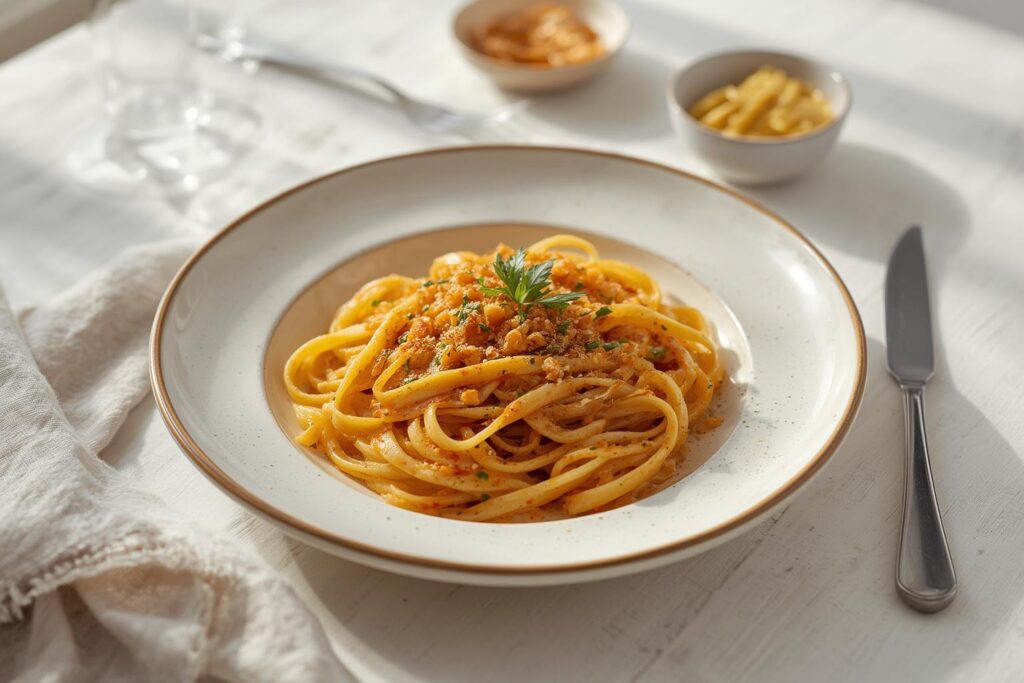
This recipe is a true weeknight champion. It comes together in about the same time it takes to boil pasta, making it perfect for busy schedules.
- Prep Time: 10 minutes (zesting the lemon, mincing the garlic, grating the cheese, and measuring your ingredients).
- Cook Time: 15 minutes (boiling the pasta and making the sauce simultaneously).
- Total Time: 25 minutes.
This schedule is ideal for a quick meal after work, and it’s simple enough to double for meal prep lunches throughout the week. The “hands-off” time while the pasta boils allows you to focus entirely on creating the perfect sauce.
Step-by-Step Instructions
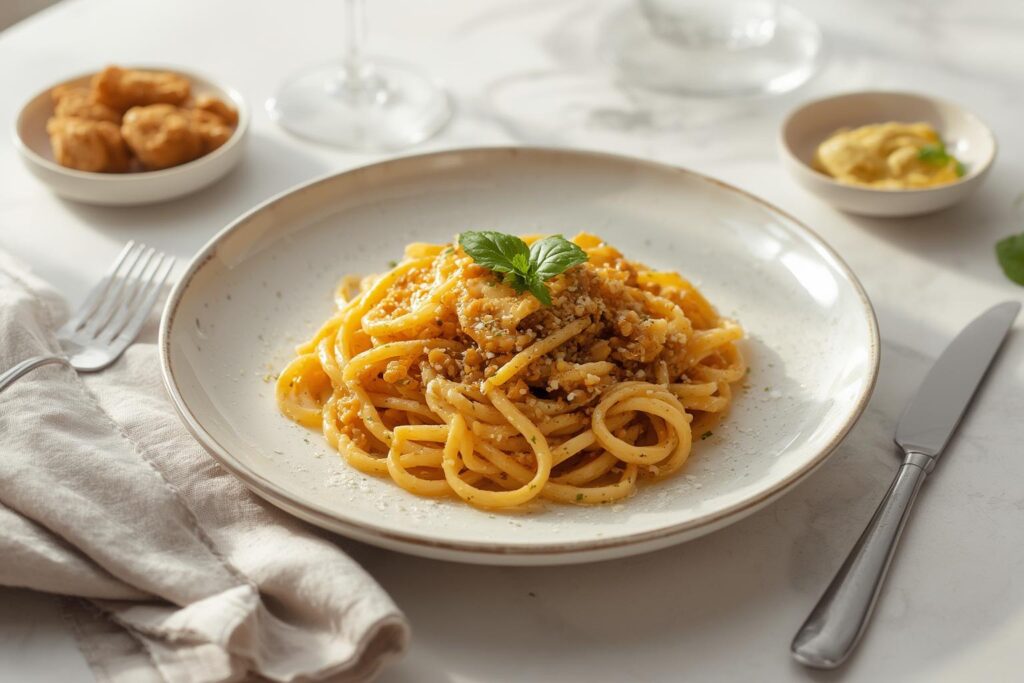
1. Boil the Water: Fill your large pot with water and bring it to a rolling boil. Add a generous amount of salt—it should taste like the sea. This is your only chance to season the pasta itself from the inside out. Add the pasta and cook according to package directions until al dente (firm to the bite).
2. Reserve Pasta Water: Just before draining, use a ladle or a heat-proof mug to scoop out at least one cup of the starchy pasta cooking water and set it aside. Then, drain the pasta in a colander. Do not rinse it!
3. Start the Brown Butter: While the pasta is cooking, place your large skillet over medium heat. Add the butter. Let it melt completely.
4. Watch the Magic Happen: Once the butter is melted, it will begin to foam and sizzle. Continue to cook, swirling the pan occasionally. You will see the color change from pale yellow to golden, and finally to a beautiful nutty brown. The whole process should take about 5-8 minutes. You’ll know it’s ready when it smells intensely nutty and you see little brown specks (these are the milk solids toasting) at the bottom of the pan. This is the foundation of your viral butter pasta sauce.
5. Infuse the Flavor: Immediately reduce the heat to low to prevent the butter from burning. Add the minced garlic and whole sage leaves (if using). Cook for about 30-60 seconds until the garlic is fragrant and the sage leaves are darkened and crispy.
6. Bring It All Together: Turn off the heat. Add the drained pasta directly into the skillet with the brown butter. Add about 1/4 cup of the reserved pasta water, the lemon juice, and half of the lemon zest and grated cheese. Using tongs, toss everything vigorously for about a minute. The pasta will absorb the butter, and the starchy water will help the sauce emulsify into a glossy, luxurious coating.
7. Adjust and Serve: If the sauce seems too thick, add another splash of pasta water until it reaches your desired consistency. Taste and season with more salt and black pepper if needed. Serve immediately, garnished with the remaining lemon zest, more cheese, and the crispy sage leaves.
Nutritional Benefits / Advantages
While this dish is indulgent, there are many benefits to making it at home. You have complete ingredient control, so you can adjust salt and fat levels to your preference, and you can be certain there are no unwanted preservatives or additives. Cooking at home is also significantly more cost-effective than dining out. Using fresh ingredients like lemon, garlic, and herbs boosts the flavor profile naturally and provides a fresher taste than pre-packaged meals. For a more balanced meal, you can easily incorporate nutrient-dense add-ins like spinach, peas, or roasted vegetables.
Tips, Alternative Methods, or Cooking Advice
- Small Kitchen, No Problem: This is a one-pan wonder if you are careful. You can boil the pasta in a large saucepot and then use that same pot (emptied and wiped quickly) to make the brown butter sauce, as long as it’s a light-colored interior.
- Dietary Swaps: For a vegan version, use a high-quality plant-based butter that can be browned (many vegan butters are made with a blend that works well). You can also substitute nutritional yeast for the cheese.
- Reinventing the Dish: Try adding a splash of white wine to the brown butter after the garlic for a brighter, more complex sauce. For a pop of color and sweetness, add some halved cherry tomatoes in the last minute of cooking.
- Troubleshooting: If your sauce breaks or looks oily, don’t panic. A splash of cold pasta water or lemon juice and vigorous tossing can help bring it back together. If it’s too thick, more pasta water is always the answer.
Common Mistakes to AVOID
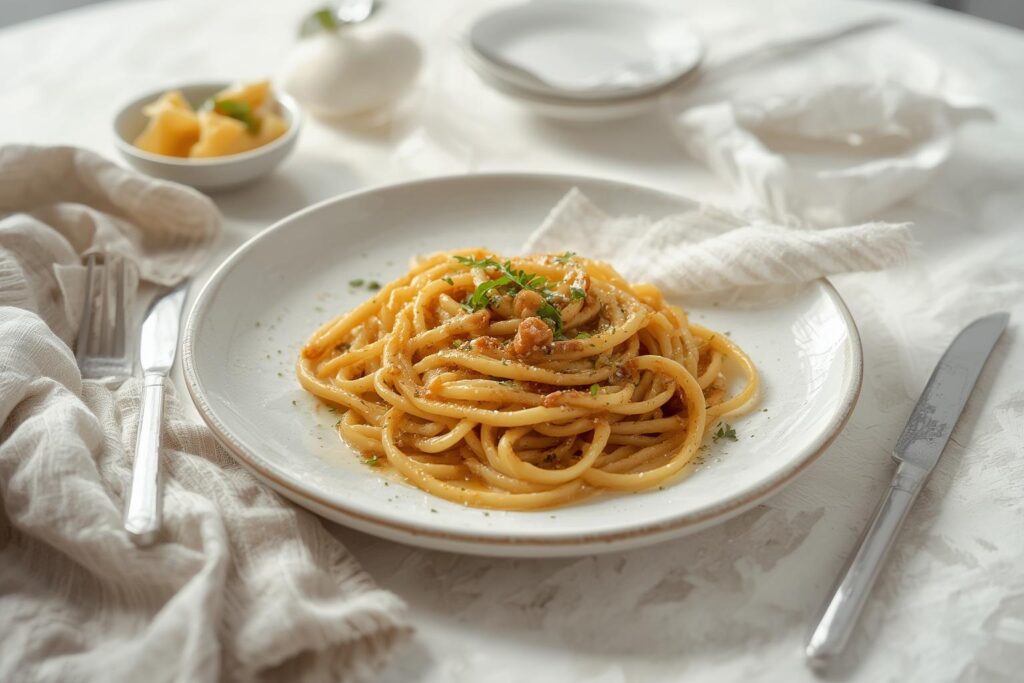
Even simple recipes have pitfalls. Here’s how to avoid the most common ones:
- Walking Away From the Butter: Browning butter happens quickly at the end. Stay by the stove, swirl the pan, and watch for the color and smell change. It can go from perfect to burnt in seconds.
- Using High Heat: This is not a high-heat recipe. Medium heat is perfect for melting butter, and you should reduce it to low as soon as it browns to protect it while you add the garlic and pasta.
- Not Salting the Pasta Water: This is the only time you can season the pasta itself. Bland pasta will lead to a bland final dish, no matter how good the sauce is.
- Discarding All the Pasta Water: This liquid gold is essential for sauce texture. Always reserve more than you think you’ll need.
- Adding Cheese to a Scalding Hot Pan Off the Heat: If the pan is too hot, the cheese can seize and become stringy. Let it cool for a moment (or add a splash of pasta water first) before tossing in the cheese.
Storage / Maintenance Tips
- Storing Leftovers: This dish is best enjoyed fresh, but leftovers can be stored in an airtight container in the refrigerator for up to 3 days. The pasta will absorb more sauce as it sits.
- Reheating: The microwave can make the pasta gummy. For best results, reheat gently on the stovetop. Place the pasta in a skillet with a splash of water, broth, or even a little extra butter or olive oil. Heat over medium-low, stirring frequently, until warmed through. This helps revive the sauce and restores some of the original texture.
Conclusion
Mastering this simple yet elegant pasta dish is a game-changer for any home cook. It proves that you don’t need a long list of expensive ingredients to create a meal that is deeply satisfying and full of complex flavor. The toasty, nutty aroma will fill your kitchen, making the cooking process just as rewarding as the final bite. We hope this guide helps you feel confident enough to add this dish to your regular rotation. Give this Brown Butter Pasta recipe a try this week and don’t be afraid to experiment with the add-ins. Leave a comment below with your favorite variation of this viral butter pasta—we love hearing from you!
FAQs
1. Can I use salted butter?
You can, but it’s not recommended. Since you’ll be adding salt to the pasta water and cheese, using unsalted butter gives you full control over the final salt level. If you only have salted butter, taste before adding any extra salt at the end.
2. My butter burned! Can I save it?
Unfortunately, if the butter smells acrid or looks black, it has burnt and the flavor will be unpleasant. It’s best to wipe the pan clean and start over. This time, keep the heat on medium and don’t walk away!
3. What can I use instead of fresh sage?
If you don’t have fresh sage, you can use other herbs like fresh thyme or rosemary. Dried sage is not a great substitute as it won’t crisp up and can have a dusty texture. If you have no herbs, the dish is still delicious with just the brown butter, garlic, and lemon.
4. The sauce seems too thin. What do I do?
If you’ve tossed everything and the sauce looks watery, continue to toss it over very low heat for another minute. The pasta will continue to absorb the liquid. If it’s still too thin, you can let it sit for a couple of minutes off the heat; the pasta will soak up more sauce as it rests.
5. Is this dish gluten-free?
It can easily be made gluten-free by simply substituting your favorite gluten-free pasta. Be sure to cook it according to the package directions, as some gluten-free varieties can get mushy more quickly than wheat pasta.