Cajun Shrimp: 5 Easy Steps for Flavorful Southern Style
Perfectly Spicy Cajun Shrimp: A Weeknight Dinner Hero
Have you ever craved a restaurant-quality seafood dinner that you can whip up in less than 20 minutes? We’ve all been there—staring into the fridge after a long day, wondering how to make something delicious without spending hours over the stove. The answer lies in bold spices and fresh seafood. Making this dish at home allows you to control the heat, salt, and freshness, ensuring a zesty kick that takeout just can’t match. Today, we are diving into a recipe that brings the flavors of the bayou right to your kitchen. By using Cajun Shrimp, we create a meal that is not only affordable but packed with that signature spicy cajun shrimp flavor you love. It’s the perfect solution for a busy weeknight or a casual weekend gathering.
Materials & Supplies
Before we fire up the stove, let’s gather everything we need. The beauty of this recipe is its simplicity, relying on fresh ingredients and a well-stocked spice rack.
Ingredients & Seasonings
-
- Shrimp: 1 lb large shrimp, peeled and deveined. Keep the tails on for presentation if you like, or remove them for easier eating.
- Fat: 2 tablespoons unsalted butter and 1 tablespoon olive oil. The oil raises the smoke point so the butter doesn’t burn, giving you a rich flavor.
- Fresh Garlic: 3-4 cloves, minced. Fresh is always best for that aromatic punch.
- Spice Blend: If you don’t have a pre-made mix, you’ll need paprika, cayenne pepper, garlic powder, onion powder, dried oregano, dried thyme, salt, and black pepper. (Or simply use a high-quality Cajun seasoning blend).
- Liquid Gold: Fresh lemon juice and a splash of chicken broth or white wine to deglaze the pan.
- Optional Add-ins: Red pepper flakes for extra heat, fresh parsley for garnish, or a pinch of brown sugar to balance the heat.
Kitchen Tools
-
- Large Skillet: Cast iron or stainless steel works best for getting a good sear. Non-stick is okay, but it won’t brown the spices as well.
- Cutting Board & Sharp Knife: For prepping the garlic and shrimp (if doing it yourself).
- Measuring Spoons & Cups: To get the spice ratios just right.
- Small Bowl: For mixing your dry spices before coating the shrimp.
- Tongs: For flipping the shrimp gently without splashing hot oil.
Timing / Cooking Schedule
This recipe is designed for speed. It fits perfectly into a busy schedule.
-
- Prep Time: 10 minutes. This includes peeling shrimp (if necessary), mincing garlic, and mixing the spices.
- Cook Time: 6–8 minutes. Shrimp cook incredibly fast; overcooking is the enemy!
- Total Time: Under 20 minutes. This makes it a true “weeknight friendly” meal.
Comparison: Unlike slow-cooked stews or roasts that take hours, this dish provides instant gratification. It’s ideal for meal prep—cook a double batch and toss it with pasta or salad the next day.
Step-by-Step Instructions
Follow these steps closely to ensure tender, juicy shrimp every time.
-
- Prep the Shrimp: If your shrimp are frozen, thaw them in cold water. Pat them completely dry with paper towels. Tip: Dry shrimp sear better; wet shrimp will steam and become rubbery.
- Season Generously: In a small bowl, mix your Cajun spices. Place the shrimp in a large bowl and toss with about half of the spice mix. Tip: Don’t be shy with the seasoning—shrimp need a bold coating to stand up to the heat of the pan.
- Heat the Pan: Place your skillet over medium-high heat. Add the butter and oil. Wait until the butter foams and subsides, but don’t let it smoke.
- Sear the Shrimp: Add the shrimp to the hot pan in a single layer. Do not overcrowd the pan (work in batches if necessary). Cook for about 2 minutes on the first side until they turn pink and opaque on the bottom. Texture Cue: They should start to curl into a “C” shape.
- Flip and Flavor: Flip the shrimp. Immediately add the minced garlic and the remaining spice mix. Cook for another 1–2 minutes. This is where you create the spicy cajun shrimp aroma. Stir constantly to prevent the garlic from burning.
- Deglaze: Pour in the lemon juice and a splash of broth or wine. Scrape up the browned bits (fond) from the bottom of the pan. This adds incredible depth of flavor. Let the sauce bubble for 30 seconds.
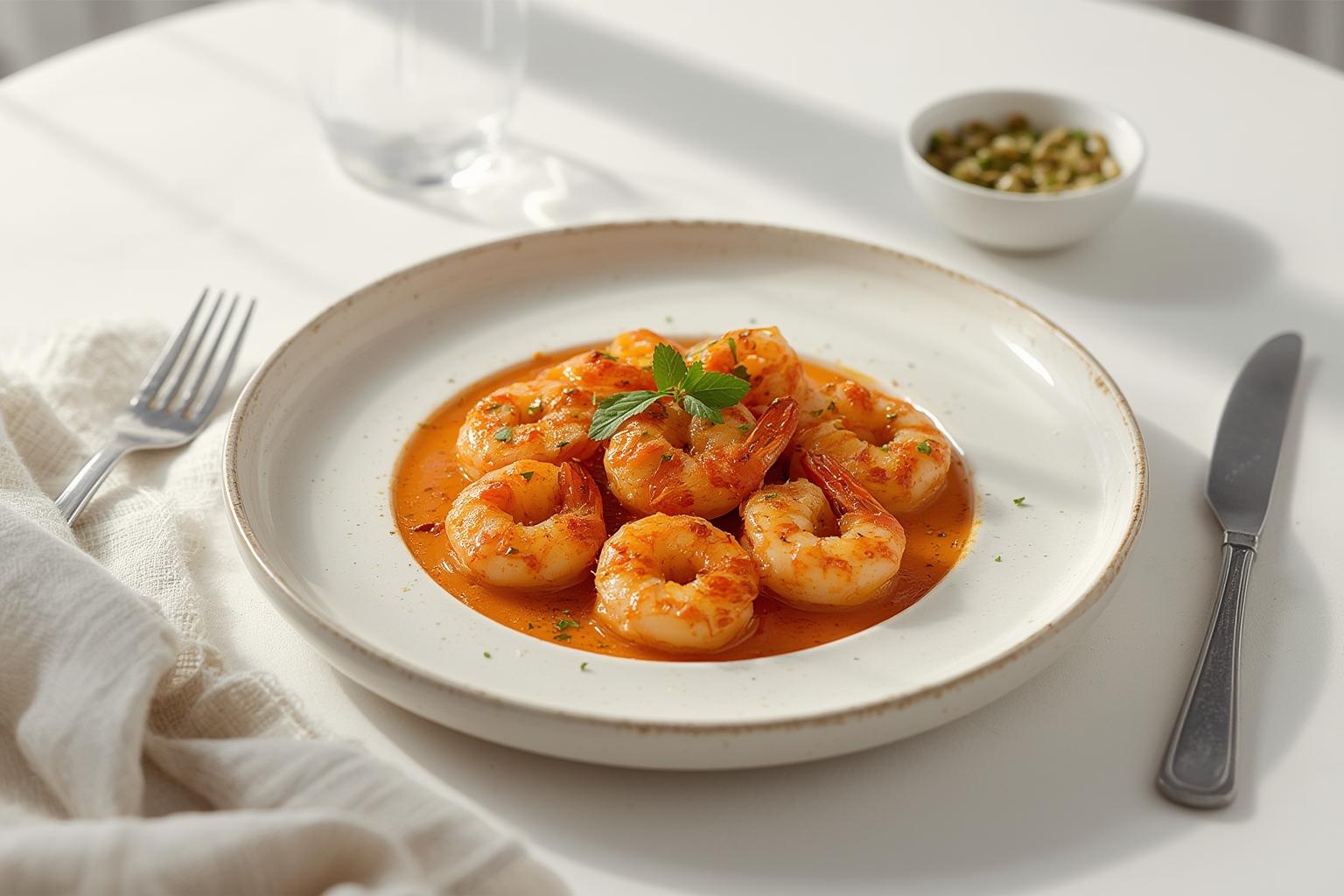
- Final Toss: Add the remaining Cajun Shrimp sauce back over the shrimp. Toss well to coat. Turn off the heat immediately.
- Garnish: Sprinkle with fresh parsley and serve immediately. Squeeze a fresh wedge of lemon over the top right before eating.
Nutritional Benefits / Advantages
-
- Lean Protein: Shrimp is an excellent source of high-quality protein with very low calorie counts, making it great for weight management.
- Antioxidants: The paprika and cayenne in the spice blend contain antioxidants that can help reduce inflammation.
- Freshness Control: By cooking at home, you avoid the preservatives and excessive sodium often found in restaurant versions.
- Sustainability: Buying fresh seafood from a local fishmonger or reputable source often supports better fishing practices than fast-food supply chains. You also generate less packaging waste than buying frozen, pre-made meals.
Tips, Alternative Methods, or Cooking Advice
Variety is the spice of life, and this recipe is adaptable.
-
- Oven Roasting: Toss the seasoned shrimp with oil and spread on a baking sheet. Roast at 400°F (200°C) for 5–6 minutes. This is great for making large batches without standing over the stove.
- Air Fryer: Cook at 390°F for 4–5 minutes, shaking the basket halfway through. This yields a slightly crispy texture.
- Low-Carb/Keto: Serve over cauliflower rice or zucchini noodles with extra butter sauce.
- Comfort Food: Serve over creamy polenta, cheesy grits, or regular rice to soak up the sauce.
- Too Salty? Add a squeeze of fresh lemon juice or a splash of water to dilute the saltiness. If you used pre-made seasoning, taste it first as those are often salt-heavy.
Common Mistakes to Avoid
-
- Overcrowding the Pan: If you pile the shrimp in, the temperature drops and they release water. This results in boiled, rubbery shrimp instead of seared, tender ones. Use a large skillet or cook in batches.
- Overcooking: Shrimp go from perfect to rubbery in seconds. Watch for the “C” shape. If they curl into a tight “O,” they are overcooked.
- Using Wet Shrimp: Always pat your shrimp dry. Moisture prevents the spices from sticking and stops the Maillard reaction (browning) from happening.
- Burning the Garlic: Garlic burns at lower temperatures than spices. Add the garlic after the shrimp have started to sear, or lower the heat slightly when adding it.
Storage / Maintenance Tips
-
- Refrigeration: Store leftovers in an airtight container in the fridge for up to 3 days. The texture will change slightly, becoming firmer.
- Freezing: While you can freeze cooked shrimp, it’s best done before cooking. Toss the raw shrimp in the spice mix and freeze in a ziplock bag for up to 2 months. Thaw in the fridge before cooking.
- Reheating: To keep the texture nice, reheat gently on the stovetop over medium-low heat with a splash of water or broth to loosen the sauce. Avoid the microwave if possible, as it tends to rubberize the seafood.
Conclusion
Cooking seafood at home doesn’t have to be intimidating. With the right heat, fresh ingredients, and a bold spice profile, you can create a meal that rivals your favorite Cajun restaurant. Whether you are cooking for one or feeding a family, this Cajun Shrimp recipe offers a fast, healthy, and incredibly tasty option. So, grab your skillet and get ready to enjoy some truly spicy cajun shrimp tonight. Did you make any modifications? Let us know in the comments below!
FAQs
1. Can I use frozen shrimp for this recipe?
Yes, absolutely. Just make sure to thaw them completely in the refrigerator overnight or in a bowl of cold water for 20 minutes before cooking. Pat them very dry before seasoning.
2. How spicy is this dish?
It depends on your cayenne pepper usage. For a mild heat, use 1/4 teaspoon of cayenne. For a spicy kick, go up to 1/2 or 1 full teaspoon. You can always taste the spice mix on a finger before coating the shrimp to gauge the heat.
3. What do I serve with Cajun Shrimp?
The options are endless! It pairs beautifully with rice, quinoa, roasted vegetables, pasta (like alfredo or garlic butter noodles), or a crisp green salad. Low-carb options include cauliflower rice or zucchini noodles.
4. My sauce seems too thin. How do I thicken it?
After removing the shrimp from the pan, let the sauce simmer for another minute or two to reduce. Alternatively, you can whisk in a teaspoon of cold butter at the very end to emulsify the sauce and make it creamy.
5. Can I use a different protein?
Yes! This spice blend works wonderfully with chicken breast (cut into bite-sized pieces) or firm white fish (like cod or tilapia). Adjust cooking times accordingly—chicken will take longer to cook through.
“`