Is there anything more comforting than the smell of Homemade Chocolate Chip Cookies baking in your kitchen? The moment that warm, sugary aroma wafts through the air, it feels like a hug for your senses. While it’s easy to grab a bag from the grocery store, making them from scratch offers a level of freshness and customization that store-bought versions simply can’t match. You control the ingredients, the sweetness, and most importantly, the texture. Today, we are diving deep into creating the perfect batch of Chocolate Chip Cookies that will make you the hero of any gathering.
We aren’t just making any cookies; we are aiming for that nostalgic bakery experience right on your kitchen counter. Whether you prefer them soft and chewy or crisp with a slight crunch, this guide has you covered. We will explore the science behind the ingredients, the perfect baking times, and how to achieve that coveted golden edge. By the end of this article, you’ll be equipped to bake bakery style chocolate chip cookies that rival your local patisserie, all while enjoying the satisfaction of a homemade treat.
Materials & Supplies
To master this classic recipe, you need the right tools and ingredients. Precision is key in baking, so gathering everything before you start—known as mise en place—ensures a smooth process.
Ingredients
-
- Butter (1 cup/2 sticks): Unsalted is preferred to control the salt level. It should be softened to room temperature, not melted, for the right structure.
-
- Granulated Sugar (¾ cup): Provides sweetness and helps the cookies spread and crisp up.
-
- Dark Brown Sugar (¾ cup, packed): The molasses content adds moisture and a deep caramel flavor essential for chewiness.
-
- Eggs (2 large): Acts as a binder and adds richness. Use room temperature eggs for better emulsification.
-
- Vanilla Extract (1 tablespoon): Don’t skimp here; high-quality vanilla enhances all the other flavors.
-
- All-Purpose Flour (2 ¼ cups): The structural backbone. Measure by spooning into the cup and leveling off to avoid dense cookies.
-
- Baking Soda (1 teaspoon): Reacts with the acid in the brown sugar to help the cookies rise and brown.
-
- Salt (1 teaspoon): Fine sea salt balances the sweetness. You can also sprinkle flaky salt on top before baking.
-
- Chocolate Chips (2 cups): Semi-sweet is classic, but dark or milk chocolate works too. High-quality chocolate bars chopped up are excellent for melty pools of chocolate.
-
- Optional Add-ins: Chopped walnuts, pecans, or a sprinkle of oats for texture.
Kitchen Tools
-
- Stand Mixer or Hand Mixer: For creaming butter and sugar efficiently. A wooden spoon and elbow grease work too, but a mixer ensures aeration.
-
- Large Mixing Bowls: One for dry ingredients, one for wet.
-
- Baking Sheets: Light-colored aluminum pans prevent burning the bottoms. Dark pans conduct more heat, so lower the oven temp by 25°F if using them.
-
- Parchment Paper: Essential for preventing sticking and makes cleanup a breeze.
-
- Cooling Rack: Allows air to circulate around the cookies, preventing them from becoming soggy on the bottom.
-
- Cookie Scoop or Tablespoon: Ensures uniform cookie sizes for even baking.
Timing / Cooking Schedule
Baking is a science, and timing is a crucial variable. Here is how to plan your baking session for the best results.
-
- Prep Time: 20 minutes (includes softening butter if you use the quick method).
-
- Chill Time: 30 minutes (minimum). For the best flavor and thickness, chilling the dough for 24 hours is a game-changer.
-
- Bake Time: 9–12 minutes per batch.
-
- Cooling Time: 10–15 minutes on the pan, then 20 minutes on a rack.
-
- Total Time: ~1 hour 15 minutes (assuming a 30-minute chill).
Schedule Tip: This recipe is perfect for weekend meal prep. You can make the dough, scoop it into balls, and freeze them. Bake directly from frozen whenever a craving strikes—just add 2–3 minutes to the baking time.
Step-by-Step Instructions
Follow these steps closely. Baking is less forgiving than stovetop cooking, but these instructions will guide you to perfection.
-
- Prep Your Oven and Pan: Preheat your oven to 375°F (190°C). Line two baking sheets with parchment paper. If your oven has hot spots, rotate the pans halfway through baking later.
-
- Cream the Butter and Sugars: In a large bowl, combine softened butter, granulated sugar, and brown sugar. Beat on medium speed for 3–4 minutes until the mixture is light, pale, and fluffy. This step incorporates air, which helps the cookies rise.
-
- Add Eggs and Vanilla: Beat in the eggs one at a time, scraping down the sides of the bowl after each addition. Add the vanilla extract and mix briefly. The mixture should look smooth and emulsified.
-
- Whisk Dry Ingredients: In a separate bowl, whisk together the flour, baking soda, and salt. This ensures the leavening agent is evenly distributed, preventing bitter pockets of baking soda.
-
- Combine Wet and Dry: Reduce the mixer speed to low. Gradually add the dry ingredients to the wet mixture. Mix only until no streaks of flour remain. Crucial tip: Overmixing develops gluten, leading to tough cookies. Fold in the chocolate chips gently by hand or on the lowest mixer setting.
-
- Chill the Dough: Cover the bowl with plastic wrap and refrigerate for at least 30 minutes. This prevents the cookies from spreading too much in the oven. If you have time, let it sit overnight—this hydrates the flour and deepens the flavor, resulting in truly Chocolate Chip Cookies with complex taste.
-
- Scoop and Bake: Using a cookie scoop, place 2-tablespoon portions of dough onto the prepared baking sheets, spaced 2 inches apart. Bake for 9–11 minutes until the edges are golden brown and the centers look slightly underbaked (they will set as they cool).
-
- Cool Properly: Remove from the oven and let the cookies sit on the hot baking sheet for 5 minutes. This finishes the cooking process without drying them out. Transfer to a wire rack to cool completely.
-
- Texture Check: For that chewy, dense bite typical of bakery style chocolate chip cookies, avoid overbaking. The cookies should be soft to the touch but hold their shape.
Nutritional Benefits / Advantages
While cookies are a treat, baking at home has distinct advantages over processed alternatives:
-
- Ingredient Control: You know exactly what goes into your food. You can adjust sugar levels, use high-quality vanilla, and opt for chocolate with higher cacao content for antioxidants.
-
- No Preservatives: Homemade cookies contain none of the shelf-stabilizers found in store-bought varieties.
-
- Portion Management: You can bake small batches to avoid overeating. Freezing dough balls allows you to bake just one or two when a craving hits.
-
- Freshness: The taste of a warm cookie right out of the oven is superior to anything packaged. Fresh baking releases volatile compounds that provide a more vibrant flavor profile.
Tips, Alternative Methods, or Cooking Advice
Baking is versatile. Here are ways to adapt the recipe to your kitchen setup and preferences:
-
- The Pan Hack: If you want thicker cookies, place a dollop of dough on the baking sheet and bake as usual. The heat will set the edges while the center stays soft.
-
- Freezer-Friendly: Once the dough is scooped, freeze the balls on a tray, then transfer to a zip-top bag. Bake from frozen—no thawing needed.
-
- Altitude Adjustments: If you live above 3,000 feet, reduce baking soda slightly (by about ¼ tsp) and increase flour by a few tablespoons to prevent excess spreading.
-
- Dietary Swaps: For gluten-free, use a 1:1 gluten-free baking flour blend (ensure it contains xanthan gum). For dairy-free, swap butter for vegan butter sticks and use dairy-free chocolate chips.
-
- The Skillet Method: For a “pizookie” (pizza-sized cookie), press the dough into a cast-iron skillet and bake at 350°F for 20–25 minutes. Serve warm with a scoop of ice cream.
Common Mistakes to Avoid
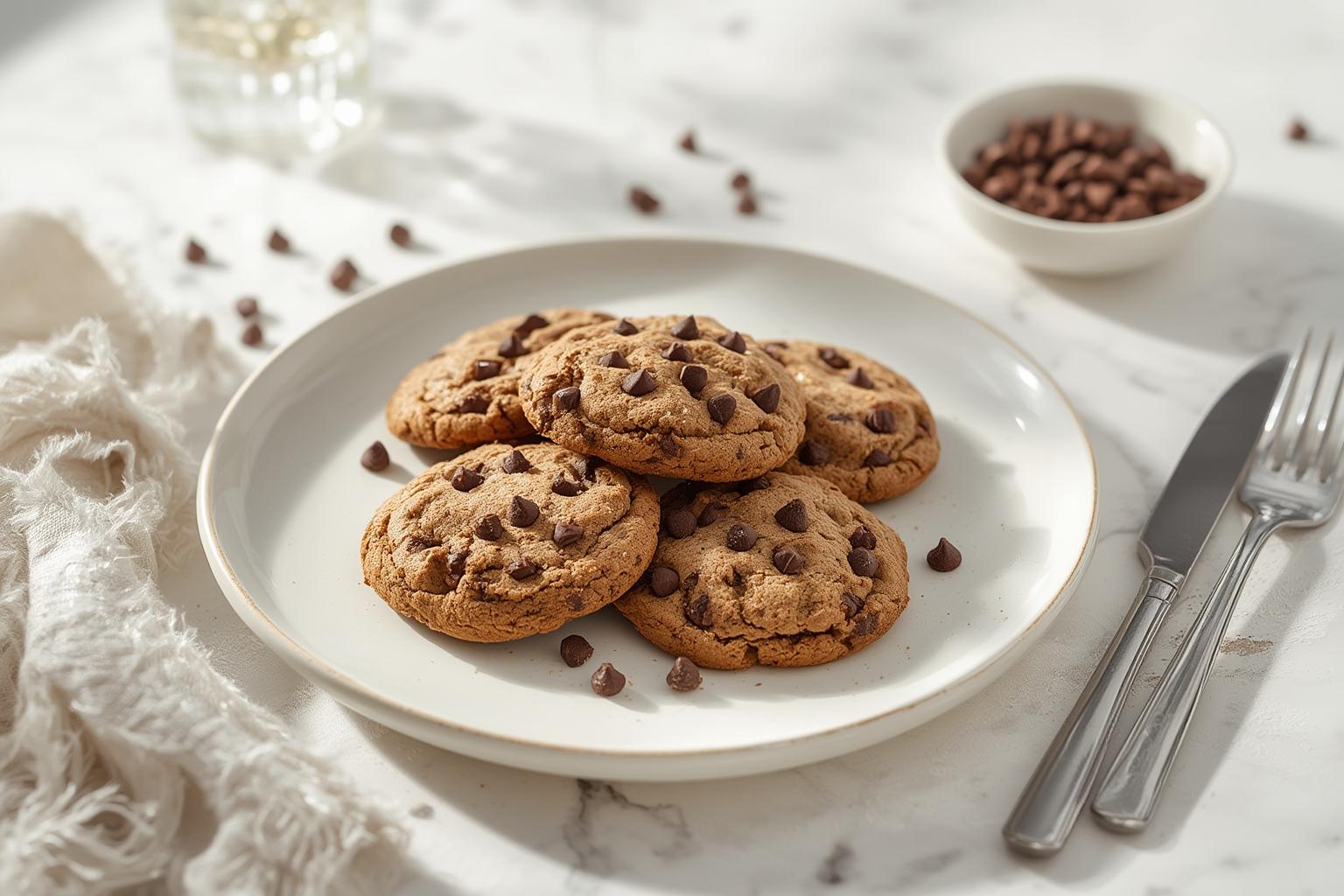
Even seasoned bakers slip up occasionally. Avoid these pitfalls to ensure a perfect batch every time:
-
- Using Melted Butter: While it works for some recipes, melted butter here makes cookies flat and greasy. Always use softened, pliable butter.
-
- Inaccurate Flour Measurement: Scooping the flour directly from the bag packs it down, resulting in dry, crumbly cookies. Spoon the flour into your measuring cup and level it off.
-
- Warm Dough: If your dough is warm when it hits the oven, the butter will melt instantly, causing the cookies to spread thin and burn. Chill is mandatory.
-
- Overbaking: Cookies continue to cook on the hot baking sheet. Pull them out when the centers still look slightly soft and doughy.
-
- Hot Pans: Always use cool baking sheets. If you are baking multiple batches, run the pan under cold water and dry it before reusing. Baking on a hot pan leads to uneven cooking.
Storage / Maintenance Tips
Proper storage keeps your cookies tasting fresh for days or even weeks:
-
- Room Temperature (Short Term): Store cooled cookies in an airtight container at room temperature. Add a slice of sandwich bread to the container; the bread will go stale, but it keeps the cookies soft and chewy. They will stay fresh for 3–4 days.
-
- Freezing Baked Cookies: Layer cookies between sheets of parchment paper in a freezer-safe container. They can be frozen for up to 3 months. Thaw at room temperature for an hour.
-
- Freezing Dough (Best Option): As mentioned, freezing dough balls is the best way to have fresh cookies on demand. Bake from frozen, adding 1–2 minutes to the time.
-
- Reheating: To revive that just-baked warmth, pop a cookie in the microwave for 10–15 seconds. To restore crispness to a soft cookie, heat it in an oven or toaster oven at 300°F for 5 minutes.
Conclusion
Baking homemade treats is about more than just the end product; it’s about the process, the aroma, and the joy of sharing. By following this guide, you have mastered the techniques required to bake exceptional Chocolate Chip Cookies from scratch. You now know how to control the texture, store them correctly, and avoid common pitfalls. Whether you are baking for a holiday, a bake sale, or a quiet night in, you have the skills to produce bakery style chocolate chip cookies that will impress everyone.
Don’t be afraid to experiment with different mix-ins or tweak the sugar ratio to suit your taste. The best recipe is the one that makes you happy. We’d love to hear how your cookies turn out—leave a comment below with your favorite add-ins or any questions you might have. Happy baking!
FAQs
1. Why did my cookies spread too much?
The most likely culprit is butter that was too soft or melted. Ensure your butter is at room temperature (soft to the touch but still cool) and chill the dough thoroughly before baking. Using expired baking soda can also cause excess spreading.
2. How can I make my cookies chewy instead of crispy?
Chewy cookies rely on moisture. Use more brown sugar than white sugar, and slightly underbake them. For an extra chewy texture, try replacing 1 tablespoon of the all-purpose flour with cornstarch.
3. Can I skip the chilling step?
Technically, yes, but you shouldn’t. Chilling solidifies the fat (butter), which controls spread. It also allows the flour to hydrate, resulting in a richer flavor. If you skip it, you’ll likely end up with flat, greasy cookies.
4. How do I know when the cookies are done?
Look at the edges. They should be golden brown. The centers may look slightly underdone or puffy—that’s perfect. They will firm up as they cool on the baking sheet. If you wait for the centers to look fully set in the oven, they will be dry by the time they cool.
5. What is the best chocolate to use?
While chips are convenient, chopped chocolate bars often yield better results. Chocolate chips contain stabilizers to help them hold their shape, but chopped chocolate melts into luxurious pools. A mix of semi-sweet and dark chocolate provides the best balance of sweetness and depth.