Retro Classic: How to Make an Old-Fashioned Water Pie from Scratch
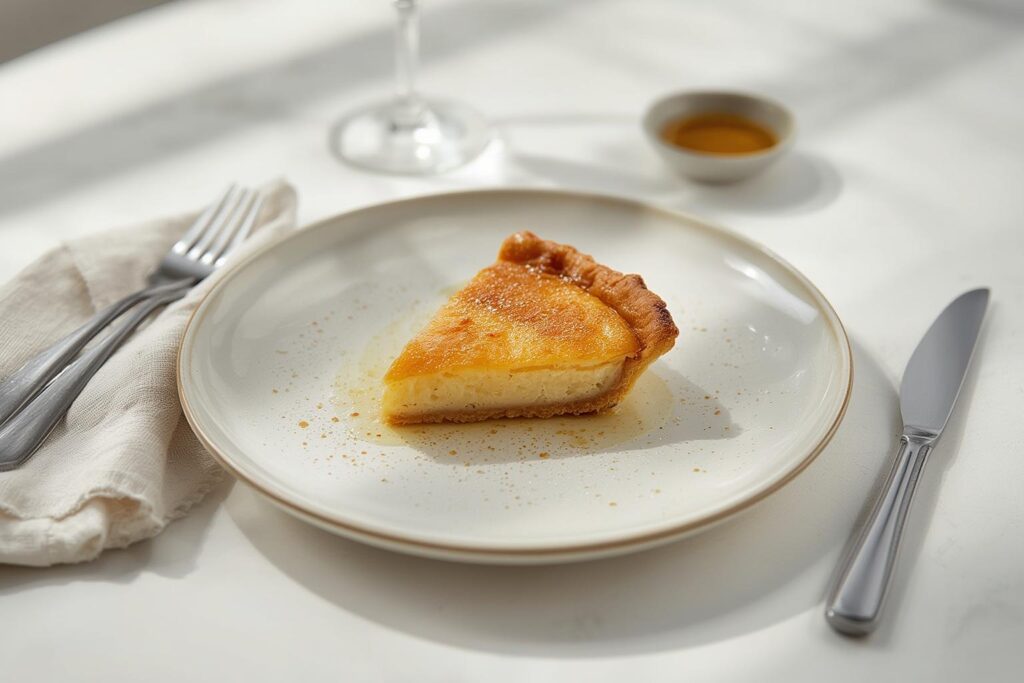
Have you ever heard of a dessert that uses plain water as its star ingredient? It sounds like a magic trick, but this vintage creation is a Depression-era staple that proves simple pantry items can create pure comfort. If you are looking for a unique, watery-gelatin texture that melts in your mouth, you have come to the right place. Today, we are reviving this lost art, and learning exactly Water Pie is all about. It relies on a old fashioned water pie technique that transforms water, sugar, and butter into a sweet, glossy filling.
Table of Contents
Materials & Supplies
Before you start baking, gather these essentials. The beauty of this recipe is its simplicity, so you likely have everything on hand.
Ingredients
- 1 (9-inch) unbaked pie crust: You can use a store-bought refrigerated crust or make your own flaky pastry. Ensure it is chilled and ready to go.
- 1 ½ cups granulated white sugar: This is the base for the sweet, gelatinous filling.
- ½ cup (1 stick) unsalted butter: Melted. Use high-quality butter for the best flavor.
- 2 large eggs: Beaten lightly. They help bind the filling.
- 1 cup hot water: Freshly boiled or very hot tap water is needed to dissolve the sugar and create the signature texture.
- 1 tablespoon apple cider vinegar: This balances the extreme sweetness and adds a slight tang.
- 1 teaspoon vanilla extract: For that classic warm aroma.
- Pinch of salt: To enhance the flavors.
Kitchen Tools
- 9-inch pie dish (glass or ceramic)
- Mixing bowl (medium-sized)
- Whisk
- Measuring cups and spoons
- Rolling pin (if making homemade crust)
- Aluminum foil or pie shield
Optional Items
- Whipped cream or vanilla ice cream: For serving to cut the sweetness.
- Ceramic pie weights or dried beans: For blind baking if you prefer a crisper bottom crust (though traditional water pie is usually baked all at once).
Timing / Cooking Schedule
This recipe is surprisingly low-effort, making it perfect for a weekend baking project or a special occasion where you want to impress without spending hours in the kitchen.
- Prep Time: 15 minutes
- Cook Time: 50–60 minutes
- Cooling Time: 2–3 hours (essential for setting the filling)
- Total Time: About 3 hours 30 minutes
Verdict: This is a hands-off baking recipe. Once it goes into the oven, you are free to clean up or relax.
Step-by-Step Instructions
Follow these steps closely to ensure the filling sets into that perfect, soft-gel texture.
- Preheat and Prepare the Crust: Preheat your oven to 400°F (200°C). Take your unbaked 9-inch pie crust and gently press it into your pie dish. Crimp the edges decoratively with your fingers or a fork. Prick the bottom and sides of the crust all over with a fork (this is called docking) to prevent it from puffing up too much during the initial bake.
- Blind Bake (Partially): Place the crust in the hot oven and bake for just 5–7 minutes. You want it to look dry and just barely starting to set, but not browned. Remove it from the oven and lower the oven temperature to 350°F (175°C). This temperature change is crucial for a smooth Water Pie.
- Prepare the Filling Base: While the crust is warm, sprinkle the granulated sugar evenly over the bottom of the crust. Pour the melted butter over the sugar. Do not stir! Just let it sit for a moment.
- Beat the Eggs: In a separate medium bowl, lightly beat the eggs until the yolks and whites are combined.
- Combine Wet Ingredients: Stir the apple cider vinegar, vanilla extract, and pinch of salt into the beaten eggs.
- Temper the Mixture (The Hot Water Step): Slowly pour the hot water into the egg mixture while whisking constantly. Tip: Pour slowly to avoid scrambling the eggs. You want a smooth, watery mixture.
- Assemble the Pie: Carefully pour the liquid mixture over the sugar and butter in the pie crust. Fill it right to the top rim.
- Bake: Place the pie back into the oven (at 350°F). Bake for 45 to 55 minutes. The center should be set but still have a very slight jiggle (like Jell-O). The edges will likely brown faster, so keep an eye on them. If the crust edges are getting too dark, cover them loosely with aluminum foil strips.
- The Cooling Phase: This is the most important step for an old fashioned water pie. You must let it cool completely at room temperature for at least 2 hours, then refrigerate for another hour to firm up fully. Do not cut into it warm, or the filling will be runny.
Nutritional Benefits / Advantages
While this is certainly a sweet treat, there are benefits to making a Water Pie at home rather than buying processed snacks from the store.
- Ingredient Control: You know exactly what is going into your dessert—no preservatives, artificial colors, or mystery additives.
- Cost-Effective: This is one of the most affordable pies you can make. The ingredients are basic staples that cost pennies per slice.
- Sustainability: By baking from scratch, you reduce food packaging waste compared to buying store-bought pies in plastic containers.
- Food Waste Reduction: If you have egg yolks leftover from another recipe, this pie uses whole eggs, ensuring nothing goes to waste.
Tips, Alternative Methods, or Cooking Advice
If you want to experiment with this vintage recipe, here are some ideas:
- Flavor Variations: Add ½ teaspoon of cinnamon or nutmeg to the sugar before pouring the water. Alternatively, swap the vanilla for almond extract for a nutty twist.
- Dietary Substitutions: While difficult to make sugar-free (sugar provides the structure), you can try a plant-based butter substitute and a flax-egg for a dairy-free/vegan version, though the texture may be slightly softer.
- Storage Hack: If your kitchen is warm, store the pie in the refrigerator immediately after it cools. The filling holds its shape best when cold.
- Texture Check: If you like a firmer set, bake for the full 55 minutes. If you prefer a gooier center, pull it at 45 minutes.
Common Mistakes to Avoid
Even simple recipes have pitfalls. Here is how to avoid them:
- Skipping the Partial Bake: If you pour the liquid into a raw crust, the bottom will turn soggy and doughy. That 5-minute pre-bake creates a barrier.
- Pouring Cold Water: The recipe calls for hot water. Cold water won’t dissolve the sugar properly and won’t temper the eggs correctly, leading to a strange texture.
- Slicing Too Soon: The most common mistake is impatience. The filling needs time to cool and gel. Cutting it warm results in a soup rather than a slice.
- Not Protecting the Crust: The filling takes a while to set, meaning the crust edges are in the heat for a long time. Use that foil to prevent burnt edges.
Storage / Maintenance Tips
Since this pie has a high sugar content and eggs, proper storage is key to keeping it fresh and safe to eat.
- Refrigerator: Cover the pie with plastic wrap or place it in an airtight container. It will keep well in the fridge for up to 4–5 days.
- Freezer: You can freeze this pie! Wrap individual slices or the whole pie tightly in plastic wrap and then foil. It will last up to 3 months in the freezer. Thaw in the refrigerator overnight.
- Reheating: This pie is best served cold or at room temperature. If you prefer it warm, heat individual slices in the microwave for 10–15 seconds. Do not overheat, or the filling will liquefy again.
Conclusion
Baking a old fashioned water pie is like taking a bite out of history. It reminds us that we don’t need complex ingredients to create something delicious and comforting. Whether you are a seasoned baker or a beginner, this recipe is forgiving and rewarding. Now that you know the secrets to a perfect Water Pie, why not give it a try this weekend? Let us know in the comments how it turned out or if you added your own special twist!
FAQs
Why is it called Water Pie?
It gets its name because the filling is mostly water! During the Great Depression, ingredients like eggs, butter, and fruit were expensive or rationed, so bakers used water mixed with sugar and a small amount of fat to create a sweet filling for the crust.
Can I use a pre-cooked or graham cracker crust?
It is not recommended. The filling in a water pie is very liquid initially and requires a raw, sturdy pastry crust to bake properly together. A pre-baked crust might become soggy or burn during the long baking time.
Is the texture really just like water?
No, the texture is unique! Once baked and cooled, the high concentration of sugar combined with the eggs and butter creates a thick, gelatinous, jelly-like consistency. It is soft, sweet, and melts on the tongue.
Can I reduce the amount of sugar?
Technically, no. The sugar provides the bulk and structure of the filling. If you reduce the sugar significantly, the filling will not set properly and will remain watery even after baking.
Why is my filling runny?
This usually happens for two reasons: either the pie was cut before it was fully cooled (the filling needs to chill to set), or the oven temperature was too low, preventing the eggs from cooking through. Ensure you follow the cooling instructions strictly.