The Ultimate Weeknight Wonder: Spicy Cajun Shrimp Skillet
Craving bold, restaurant-quality flavor but stuck on a tight schedule? You’re not alone and the answer might be simmering right in your skillet. Making this Cajun Shrimp at home isn’t just about saving money; it’s about unlocking deep, layered flavors that takeout can’t match. With a homemade cajun shrimp recipe, you control the sodium, spice level, and freshness, turning a simple pound of shrimp into a restaurant-worthy dish in under 20 minutes.
Table of Contents
Materials & Supplies
To create that signature Cajun kick, you’ll need a solid foundation of spices and fresh ingredients. Here’s your complete shopping and equipment list:
Ingredients & Seasonings:
- Shrimp (1.5 lbs, large, peeled and deveined): The star of the show. Look for 21-25 count size for the best texture. Keep tails on for presentation or remove for easier eating.
- Cajun Seasoning (2 tablespoons): This is the heart of the flavor. You can use a store-bought blend (like Tony Chachere’s or Slap Ya Mama) or make your own with paprika, cayenne, garlic powder, onion powder, and oregano.
- Butter & Olive Oil (2 tbsp each): A combination gives you the high smoke point of oil and the rich flavor of butter. Ghee is an excellent high-heat alternative.
- Garlic (4-5 cloves, minced): Fresh is best for that pungent, aromatic base.
- Lemon (1 large): You’ll need both the juice (for brightness) and wedges for serving.
- Fresh Parsley (optional, for garnish): Adds a pop of color and fresh, herbal note to cut the richness.
Liquids & Sauces:
- Chicken Broth or White Wine (1/4 cup): Creates a quick pan sauce to deglaze the pan and lift all those tasty browned bits (fond).
- Hot Sauce (1 teaspoon, optional): For an extra layer of heat that goes beyond the dry spices.
Kitchen Tools:
- Large Cast Iron Skillet or Sauté Pan: Essential for getting a great sear. Cast iron retains heat beautifully, but any heavy-bottomed pan will work.
- Tongs: For flipping shrimp quickly without piercing them.
- Small Bowl: For mixing your spices into a uniform blend.
- Garlic Press & Zester: For prepping your aromatics efficiently.
- Measuring Spoons & Cups: For accuracy in your spice blend and liquids.
Substitutions:
- Dairy-Free: Use all olive oil or avocado oil instead of butter.
- Gluten-Free: Most Cajun seasonings are naturally gluten-free, but always check the label on pre-mixed blends.
- No Alcohol: If you prefer not to use wine, chicken or vegetable broth is a perfect stand-in.
Timing / Cooking Schedule
- Prep Time: 10 minutes
- Cook Time: 6-8 minutes
- Total Time: 18 minutes
This recipe is the definition of a weeknight-friendly meal. The active cooking time is less than 10 minutes, making it faster than waiting for delivery. It’s a great option for meal prep as well; simply mix your spice blend in advance and store it in an airtight container. Most of the time is hands-off, perfect for multitasking while the pan heats up or while you’re plating side dishes.
Step-by-Step Instructions
1. Prep the Shrimp: Pat your shrimp completely dry with paper towels. This is the single most important step for getting a nice sear instead of steaming. In a small bowl, mix your Cajun seasoning with a half-teaspoon of black pepper. Toss the dry shrimp in the spice blend until evenly coated.
2. Heat the Pan: Place your skillet over medium-high heat. Add the olive oil and butter. Wait until the butter melts and the foam subsides—you want the fat to be shimmering but not smoking. This ensures the shrimp won’t stick and will develop a beautiful crust.
3. Sear the Shrimp: Carefully place the shrimp in the hot pan in a single layer. Don’t overcrowd the pan (work in batches if necessary); this ensures each piece gets that perfect golden-brown color. Cook for 1-2 minutes per side, just until they turn pink and opaque. Don’t overcook them here, or they’ll be tough! Remove them to a clean plate.
4. Build the Pan Sauce: Reduce the heat to medium. Add the minced garlic to the remaining butter and spices in the pan. Sauté for 30-60 seconds until fragrant. Pour in the chicken broth (or wine) and lemon juice to deglaze, scraping up all the flavorful browned bits from the bottom of the pan. Let it bubble and reduce slightly for about 2 minutes.
5. Combine and Finish: Return the shrimp to the skillet. Toss everything together to coat the shrimp in the glorious pan sauce. Let it warm through for about 30 seconds. This is where you can add a splash of hot sauce if you’re feeling adventurous.
6. Serve Immediately: Garnish with fresh parsley and serve with lemon wedges. This Cajun Shrimp is best enjoyed hot, straight from the pan.
Nutritional Benefits / Advantages
Cooking this dish at home offers significant advantages over restaurant versions. Shrimp is a fantastic source of lean protein, iodine, and selenium, all while being very low in calories and fat. By making this cajun shrimp recipe yourself, you eliminate the excessive sodium and preservatives often found in takeout sauces. You gain full control over the ingredients, which is essential for anyone managing dietary restrictions or tracking their macros. Additionally, cooking at home is more sustainable—less packaging waste from takeout containers and a lower carbon footprint.
Tips, Alternative Methods, or Cooking Advice
- Oven Method: Arrange seasoned shrimp on a baking sheet and roast at 400°F (200°C) for 6-8 minutes. Drizzle with the butter/garlic sauce before baking. Great for larger batches.
- Air Fryer: Place shrimp in the air fryer basket in a single layer. Cook at 380°F (190°C) for 4-5 minutes, shaking halfway. Toss with the sauce after cooking.
- Small Kitchen Hack: If you don’t have a large skillet, use a wok. The high, sloped sides make it easy to toss everything without splattering.
- Dietary Swaps: For a lighter version, use all olive oil. To add more veggies and bulk, toss in sliced bell peppers or zucchini right after searing the shrimp and cook until tender-crisp before building the sauce.
- Troubleshooting:
* Too Salty: Cajun blends can be salty. If this happens, squeeze in extra fresh lemon juice to balance it out. Next time, use a salt-free seasoning blend.
* Too Dry: You likely overcooked the shrimp or didn’t use enough pan sauce. Shrimp only need a few minutes of heat. Remember to add that splash of broth to create moisture.
Common Mistakes to Avoid
Even simple recipes have pitfalls. Here’s how to ensure success:
- Skipping the Pat-Down: Putting wet shrimp in a hot pan is the #1 mistake. It lowers the pan temperature and creates steam, preventing that delicious sear.
- Overcrowding the Pan: If you pile shrimp on top of each other, they’ll steam in their own juices instead of browning. Cook in batches if your pan isn’t big enough to hold them all in one layer with space between each piece.
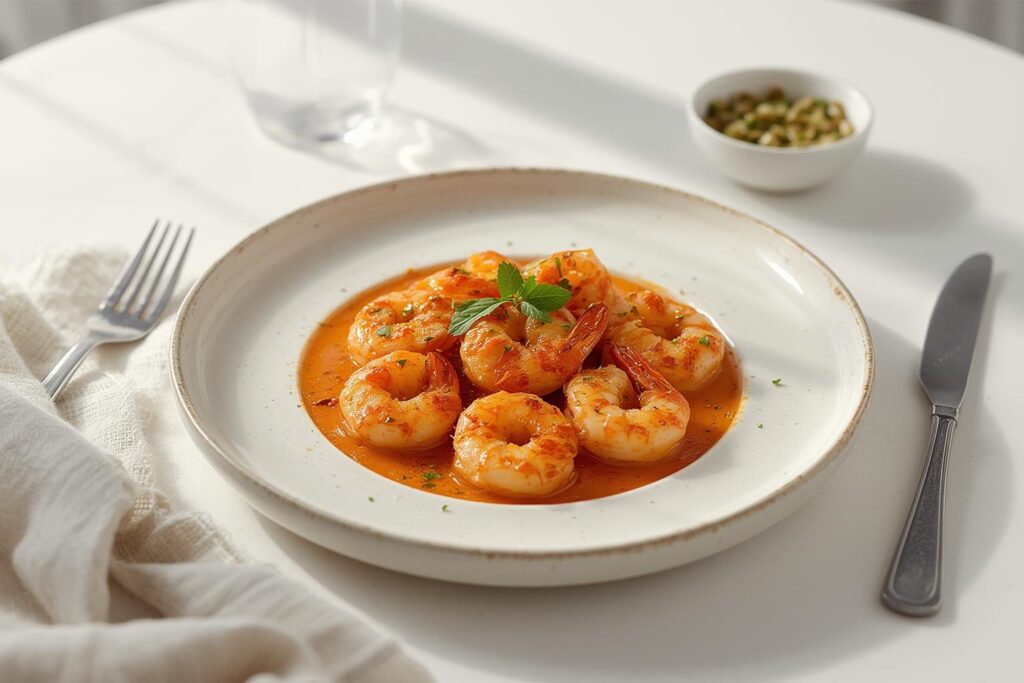
- Overcooking: Shrimp cook incredibly fast. They are done as soon as they are pink and form a loose “C” shape. If they curl into a tight “O,” they’re overcooked and will be rubbery.
- Under-seasoning the Sauce: The pan sauce is concentrated flavor. Don’t be afraid to use enough garlic and spices. The deglazing process relies on those browned bits, so make sure you scrape the pan well.
- Using Pre-cooked Shrimp: Never start with pre-cooked shrimp for this recipe. They will become tough and rubbery by the time the sauce is ready. Always start raw.
Storage / Maintenance Tips
- Refrigeration: Store leftovers in an airtight container in the refrigerator for up to 3 days. The flavors will meld and become even spicier overnight.
- Freezing: While you can freeze cooked shrimp, the texture may change slightly upon thawing. If you must freeze, do so in a freezer-safe bag with some of the sauce for up to 2 months.
- Reheating: The goal is to warm the shrimp without further cooking them.
* Stovetop (Best Method): Gently reheat in a skillet over medium-low heat with a splash of water or broth to loosen the sauce.
* Microwave: Use short 20-second bursts, stirring in between, to avoid hot spots.
- Maintaining Texture: Do not reheat in a high-heat oven or on high power, as this will make the shrimp rubbery. Gentle heat is key.
Conclusion
Mastering this spicy skillet dish is a game-changer for your dinner rotation. It proves that incredible, vibrant flavor doesn’t require hours in the kitchen or a long list of complicated steps. We hope this guide empowers you to create a meal that feels both indulgent and wholesome. Now that you know how to avoid common mistakes and tailor the dish to your needs, it’s time to get cooking. Try this Cajun Shrimp for yourself and see how simple it is. If you make this cajun shrimp recipe, leave a comment below to let us know how it turned out!
FAQs
1. Can I use frozen shrimp for this recipe?
Yes! Frozen shrimp are fantastic and often fresher than “fresh” shrimp at the counter. Thaw them safely by placing them in a colander under cold running water for 5-10 minutes or overnight in the fridge. Pat them completely dry before seasoning.
2. How spicy is this dish?
The heat level depends entirely on your Cajun seasoning blend. A standard blend provides a mild to medium kick. To make it milder, reduce the amount of seasoning or choose a “no heat” blend. To make it spicier, add a pinch of cayenne pepper or a dash of your favorite hot sauce to the spice mix.
3. What should I serve with this dish?
This versatile protein pairs beautifully with:
- Grains: Steamed rice, quinoa, or creamy polenta to soak up the sauce.
- Vegetables: Sautéed green beans, roasted asparagus, or a crisp green salad.
- Carbs: Crusty bread for dipping or a side of creamy coleslaw.
4. My sauce seems too thin. How can I thicken it?
This recipe creates a light, buttery pan sauce rather than a thick gravy. If you prefer a thicker sauce, you can add a teaspoon of cornstarch mixed with a tablespoon of cold water (a “slurry”) to the pan when you deglaze. Let it bubble for a minute to thicken.
5. Can I make this recipe with chicken instead of shrimp?
Absolutely! This spice blend works wonderfully with chicken. Cut boneless, skinless chicken breasts or thighs into bite-sized pieces. Sear them for 5-7 minutes until cooked through, then remove and proceed with the recipe as written. The chicken may need a few extra minutes to cook fully.
6. What’s the best way to get the shrimp tails off easily?
Look for shrimp that are “peeled and deveined” but have the tails on. The tails add flavor and look great, but if you prefer no-shell, buy them fully peeled. The tail shell is just attached to the last segment of the shrimp meat; you can usually just pull it off with your fingers after cooking.