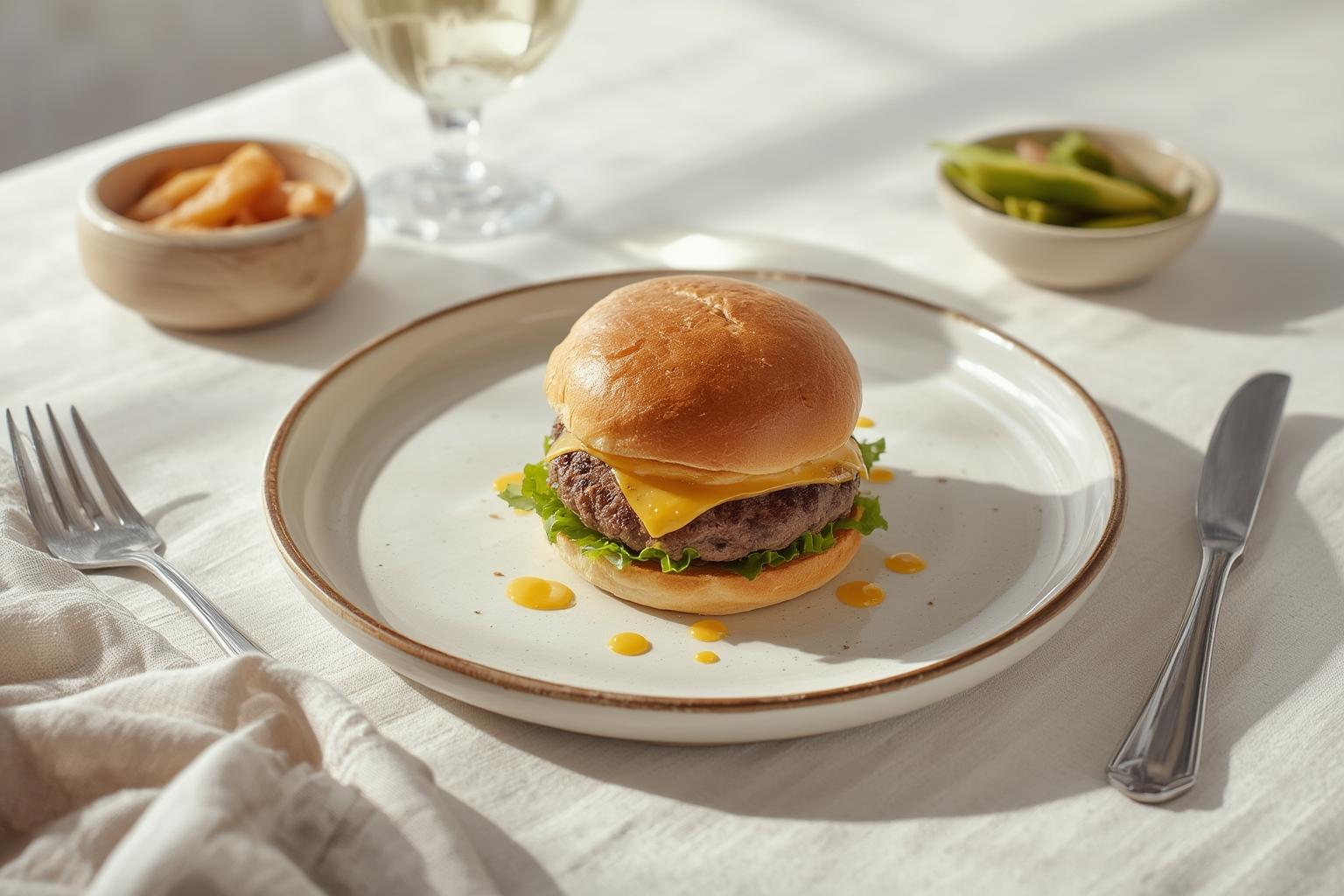
Have you ever wondered how to make a truly satisfying Cheeseburger right in your own kitchen? While drive-thru versions are convenient, creating a burger at home offers unmatched freshness, flavor control, and cost savings. You choose the quality of the beef, the meltiness of the cheese, and the crispness of the toppings. It’s a rewarding experience that turns a simple weeknight dinner into a mini-celebration. This guide will walk you through crafting the ultimate homemade cheeseburger that beats any restaurant version.
Table of Contents
Materials & Supplies
To build a delicious burger, you need quality ingredients and the right tools. Here’s everything you’ll need:
Ingredients:
- Ground Beef: 1.5 lbs of 80/20 ground chuck (this fat ratio ensures juiciness without excessive shrinkage).
- Seasonings: 1 tsp kosher salt, 1 tsp black pepper, 1/2 tsp garlic powder, 1/2 tsp onion powder.
- Buns: 4 brioche or potato buns (soft yet sturdy enough to hold the juices).
- Cheese: 4 slices of American cheese (for optimal melt) or sharp cheddar.
- Condiments: Ketchup, mayonnaise, and yellow mustard.
- Vegetables: Crisp iceberg lettuce leaves, 1 large tomato sliced thick, red onion rings (thinly sliced).
- Pickles: Dill pickle chips (optional but recommended for acidity).
- Fat: 1 tbsp vegetable oil or butter for toasting buns.
Kitchen Tools:
- Mixing Bowl: For gently combining the beef and seasonings.
- Cast Iron Skillet or Griddle: Essential for creating a deep, flavorful crust (Maillard reaction).
- Spatula: Heavy-duty for pressing and flipping.
- Thermometer: To check for doneness (optional but helpful for beginners).
- Knife and Cutting Board: For prepping veggies.
- Small Bowls: For mixing sauces and holding toppings.
Substitutions:
Dietary:* Use plant-based ground “meat” and vegan cheese slices for a vegetarian version.
Gluten-Free:* Swap standard buns for gluten-free buns or lettuce wraps.
Timing / Cooking Schedule
Making burgers is surprisingly quick, making it perfect for a busy schedule.
- Prep Time: 15 minutes (includes slicing vegetables and mixing spices).
- Cook Time: 10–12 minutes.
- Total Time: 25–30 minutes.
This recipe is weeknight friendly and requires minimal “active” cooking time. The prep is mostly chopping, and the actual cooking takes less than 15 minutes. It’s a fast, hands-on meal that delivers restaurant-quality results in less time than waiting for delivery.
Step-by-Step Instructions
Follow these steps to ensure a juicy, flavorful result every time.
1. Prep the Vegetables: Wash and slice the tomato into thick rings (about 1/4 inch thick). Slice the red onion thinly. Rinse the lettuce leaves and pat them dry so they don’t make the bun soggy. Set aside in the fridge to keep crisp.
2. Mix the Beef: Place the ground beef in a large bowl. Sprinkle the salt, pepper, garlic powder, and onion powder over the meat. Use your hands to mix gently—just until the spices are incorporated. Tip: Over-mixing can make the burgers tough; handle the meat as little as possible.
3. Form the Patties: Divide the meat into 4 equal portions. Gently roll each portion into a ball, then flatten into a patty about 3/4-inch thick. Make a slight indentation (thumbprint) in the center of each patty. This prevents the burger from puffing up into a ball during cooking.
4. Toast the Buns: Heat a large cast-iron skillet or griddle over medium-high heat. Add a small amount of butter or oil. Place the buns cut-side down for 30–60 seconds until golden brown and toasted. Remove and set aside.
5. Sear the Patties: Increase the heat to high. Place the patties on the hot skillet. Do not press down on them with your spatula yet; let them sear undisturbed for about 3–4 minutes. You want a deep brown crust to form.
6. Flip and Add Cheese: Flip the patties once. At this moment, you are creating a delicious Cheeseburger by placing a slice of cheese on top of each patty. If you want extra melt, you can cover the pan with a lid for 30 seconds. Cook for another 3–4 minutes for medium doneness (160°F internal temperature).
7. Assemble: Place the bottom toasted bun on a plate. Add a smear of mayonnaise or ketchup, followed by lettuce, the cheesy patty, tomato, onion, and pickles. Top with the other bun half. This specific layering creates the perfect homemade cheeseburger experience.
8. Serve Immediately: Serve hot with fries or a side salad. The cheese should be gooey and the patty juicy.
Nutritional Benefits / Advantages
While a burger is an indulgence, making it at home allows for healthier choices. Using 80/20 ground beef provides protein, iron, and vitamin B12, which are essential for energy and muscle health. By controlling the ingredients, you avoid the high sodium, preservatives, and hidden additives found in fast-food patties.
Cooking at home also reduces food waste and packaging. You can buy fresh produce from local markets, supporting sustainability and reducing the carbon footprint associated with processed food distribution. Furthermore, portion control is easier; you decide exactly how much cheese and sauce goes on, tailoring the calorie count to your dietary needs without sacrificing satisfaction.
Tips, Alternative Methods, or Cooking Advice
- Alternative Cooking Methods:
Oven Method:* If you don’t have a skillet, place patties on a broiler pan and bake at 400°F for 15 minutes, adding cheese in the last 2 minutes.
Air Fryer:* Cook at 375°F for 9–10 minutes, flipping halfway. Great for reducing splatter in small kitchens.
- Dietary Swaps:
Low-Carb:* Skip the bun and use large portobello mushrooms or lettuce wraps.
Dairy-Free:* Use vegan butter and dairy-free cheese slices (look for ones that melt well, like those made from cashews or coconut oil).
- Troubleshooting:
Too Salty?* If you accidentally over-salted the meat, serve the burger with a mild avocado slice or unsalted butter on the bun to balance the flavor.
Too Dry?* Next time, ensure your fat content is higher (80/20). If eating a dry burger now, dip it in a side of beef broth or au jus.
Common Mistakes to Avoid
- Overworking the Meat: Squeezing and kneading the beef too much develops the proteins too much, resulting in a rubbery, dense texture. Handle the meat lightly and stop as soon as it’s mixed.
- Using Cold Meat: If your beef is ice-cold when it hits the pan, it won’t sear properly. Let it sit at room temperature for 15 minutes before cooking for an even crust.
- Overcrowding the Pan: Cooking too many patties at once drops the pan temperature, causing the meat to steam rather than sear. Cook in batches if necessary.
- Pressing the Patty: Resist the urge to smash the burger with your spatula while cooking. This squeezes out the precious juices, leaving you with a dry puck.
- Cold Cheese: If your cheese slices are straight from the fridge, they won’t melt fast enough before the meat overcooks. Keep cheese at room temperature or use the lid trick to trap steam.
Storage / Maintenance Tips
If you have leftovers, proper storage is key to maintaining quality.
- Storage: Separate the components. Store cooked patties in an airtight container in the refrigerator for up to 3 days. Keep veggies and buns separate to prevent sogginess. Freezing raw patties is possible (separate with parchment paper), but cooked patties lose texture when frozen. Raw patties can be frozen for up to 3 months.
- Reheating: To reheat the patty without drying it out, place it in a skillet over medium-low heat with a splash of water or beef broth. Cover with a lid to steam it gently. Alternatively, use a microwave at 50% power in 30-second intervals.
- Reviving the Bun: If the bun has gone stale, wrap it in a damp paper towel and microwave for 10 seconds to soften it. Re-toast lightly in a pan before assembling your next homemade cheeseburger.
Conclusion
Mastering the art of the burger is a kitchen skill that pays off every time you crave comfort food. By following these steps, you ensure a juicy, flavorful, and perfectly cooked meal that highlights the quality of your ingredients. Whether it’s a quick weeknight dinner or a weekend cookout, this recipe guarantees success. Give this Cheeseburger recipe a try, and leave a comment below to let us know how it turned out! Don’t forget to share your photos on social media or save this guide for your next craving.
FAQs
1. What is the best meat-to-fat ratio for burgers?
The ideal ratio is 80% lean meat to 20% fat (80/20). The fat provides moisture and flavor. Leaner meat (90/10 or 93/7) tends to result in dry, crumbly burgers because there isn’t enough fat to keep them juicy.
2. Why do my burgers fall apart in the pan?
This usually happens if the meat is too lean, the pan isn’t hot enough, or you are flipping them too early. Ensure you have enough fat, preheat your pan to high heat, and wait until a crust forms before flipping. The “thumbprint” indentation also helps them hold their shape.
3. Can I cook these patties on a grill?
Yes! A gas or charcoal grill adds a wonderful smoky flavor. Preheat the grill to high heat, oil the grates well, and cook for about 4-5 minutes per side. Be careful when flipping; grill grates can cause sticking if the burgers are not seared properly first.
4. How do I get my cheese to melt perfectly?
American cheese melts the best due to its composition. If using cheddar, place the cheese on the patty immediately after flipping. You can cover the skillet with a lid for 30-60 seconds to trap steam, which helps melt the cheese without overcooking the meat.
5. What are the best sauces for a classic burger?
A classic “secret sauce” is often a mix of mayonnaise, ketchup, and relish. However, you can keep it simple with yellow mustard and ketchup, or get gourmet with BBQ sauce, aioli, or sriracha mayo.