Cozy & Creamy Southern Chicken Stew (Easy Weeknight Dinner)
There’s something deeply comforting about a warm bowl of stew bubbling on the stove, especially when the evenings get chilly. But why settle for the canned stuff or takeout when you can whip up a rich, creamy, and flavor-packed version in your own kitchen? Making this dish at home gives you total control over the ingredients—meaning you can adjust the salt, pack in extra veggies, and skip the preservatives.
Plus, it’s a fantastic way to impress the family with minimal effort. Today, we are diving into the ultimate Southern Chicken Stew, a recipe that brings together tender chicken and hearty vegetables in a savory broth. It is also the perfect opportunity to recreate that classic southern chicken stew flavor you love, but with a fresh, homemade twist.
Table of Contents
Materials & Supplies
Before we start cooking, let’s gather everything we need. Having your “mise en place” (ingredients prepped and ready) makes the cooking process smooth and enjoyable.
Ingredients & Seasonings
- Chicken: 2 lbs boneless, skinless chicken thighs or breasts. (Thighs stay juicier, but breasts work well too.)
- Fat: 2 tbsp unsalted butter and 1 tbsp olive oil. (The butter adds flavor; the oil prevents burning.)
- Aromatics: 1 large yellow onion, 3 cloves garlic, and 2 celery stalks. (The holy trinity of flavor!)
- Vegetables: 4 medium Yukon Gold potatoes (peeled and diced), and 2 carrots (sliced). (Potatoes thicken the stew naturally.)
- Liquids/Thickeners: 4 cups chicken broth (low sodium preferred), 1 cup heavy cream (or half-and-half for a lighter version), and 2 tbsp all-purpose flour.
- Seasonings: 1 tsp dried thyme, 1 tsp dried rosemary, 1/2 tsp paprika, salt and black pepper to taste. (Bay leaf optional but recommended!)
- Optional Add-ins: Frozen peas (for the last minute of cooking), corn, or fresh parsley for garnish.
Kitchen Tools
- Large Pot or Dutch Oven: Essential for holding all the ingredients and distributing heat evenly.
- Cutting Board & Chef’s Knife: For chopping veggies and chicken safely.
- Wooden Spoon or Spatula: For sautéing and scraping up the tasty browned bits.
- Measuring Cups & Spoons: To ensure your liquid ratios are perfect.
- Whisk: Crucial for a lump-free gravy base.
Timing / Cooking Schedule
This recipe is designed for the busy home cook. It fits perfectly into a weeknight rotation.
- Prep Time: 15 minutes (chopping and measuring).
- Cook Time: 30 minutes (simmering the stew).
- Total Time: 45 minutes.
- Verdict: Weeknight Friendly. While it simmers, you can set the table or prep a simple side salad. It requires about 10 minutes of active attention, making it a “hands-off” cooking dish for most of the time.
Step-by-Step Instructions
Follow these steps to build layers of flavor for the best result.
- Prep the Chicken and Veggies: Dice your chicken into 1-inch cubes. Peel and chop the potatoes, slice the carrots, and finely chop the onion and celery. Mince the garlic. Keep the chicken separate from the veggies.
- Sear the Chicken: Heat the butter and oil in your large pot over medium-high heat. Once hot, add the chicken in a single layer (do it in batches if needed to avoid overcrowding). Season with salt, pepper, and paprika. Sear until golden brown on all sides (about 4-5 minutes). Remove chicken and set aside. (Tip: Don’t skip searing! Those brown bits on the bottom of the pot are pure gold for flavor.)
- Sauté the Aromatics: In the same pot, add the onions, celery, and carrots. Sauté for 5 minutes until the onions are translucent. Add the garlic and cook for another minute until fragrant. If the bottom of the pot looks dry, add a splash of broth and scrape it up.
- Make the Roux: Sprinkle the flour over the cooked veggies. Stir constantly for 1-2 minutes to cook out the raw flour taste. This creates the thickening agent for your stew.
- Simmer the Stew: Slowly pour in the chicken broth while whisking to prevent lumps. Bring to a gentle boil. Add the potatoes, thyme, rosemary, and the seared chicken (with any juices from the plate). Reduce heat to low, cover, and simmer for 15-20 minutes, or until potatoes are fork-tender.
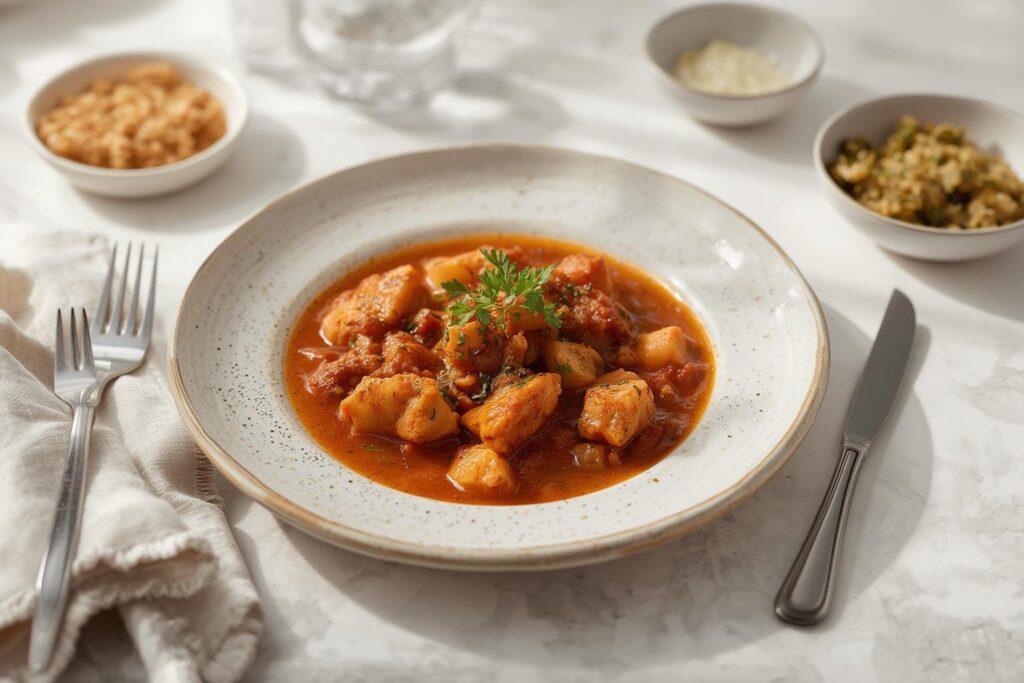
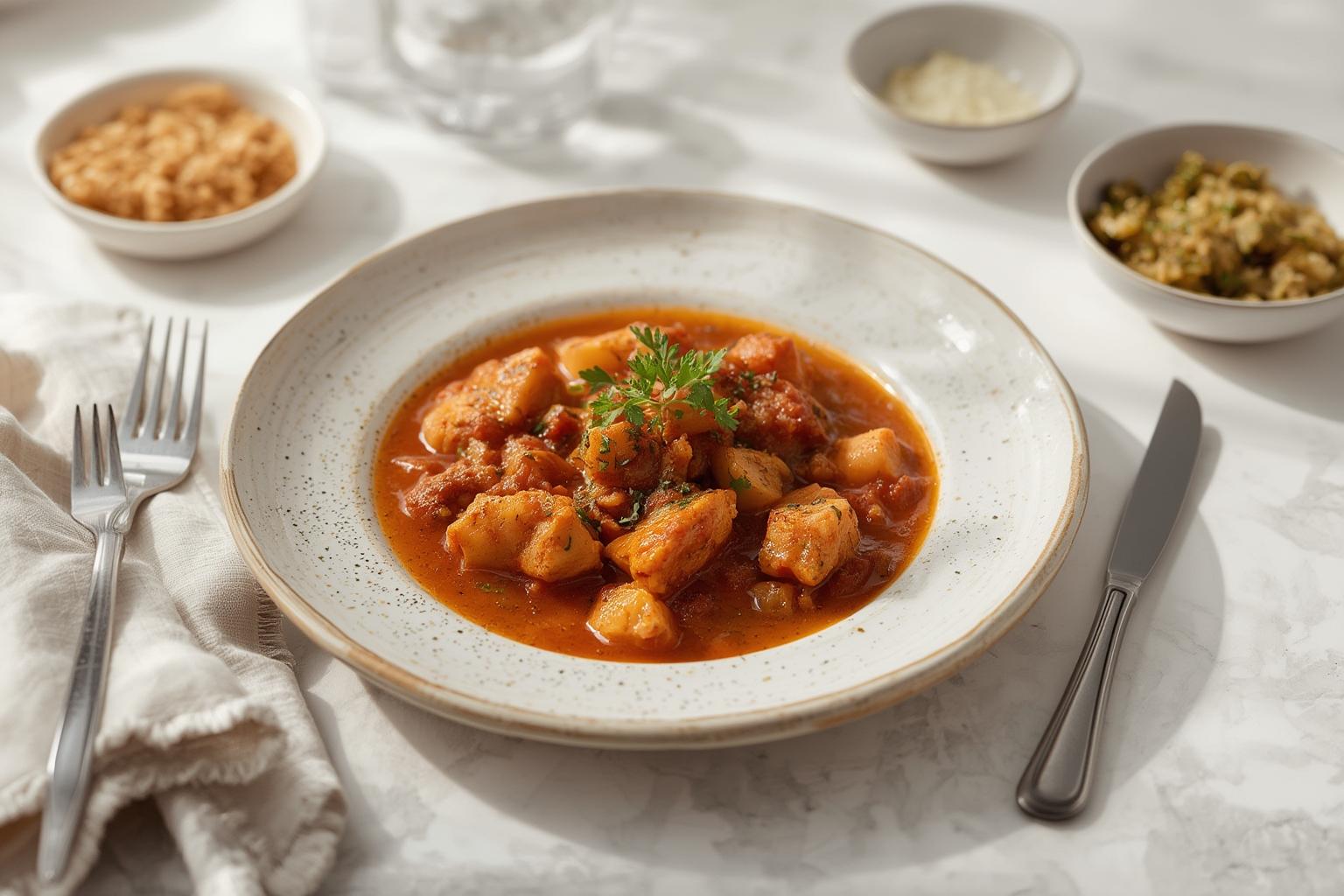
- Finish with Cream: Stir in the heavy cream. Let the stew heat through for another 2-3 minutes (do not boil vigorously once the cream is in, or it might separate). Taste and adjust seasoning with salt and pepper. This is where you assemble your final Southern Chicken Stew masterpiece. If you want to add frozen peas, toss them in now so they stay bright green. Your classic southern chicken stew is now ready to serve!
- Optional Thickening: If you prefer a very thick stew, let it simmer uncovered for an extra 5 minutes to reduce. For a thinner broth, add a splash more milk or broth.
Nutritional Benefits & Advantages
While comfort food is often associated with indulgence, this homemade stew has plenty of upsides. By cooking at home, you eliminate the high sodium and artificial preservatives found in canned soups. You are getting high-quality protein from the chicken and fiber and vitamins from the fresh vegetables like carrots, celery, and onions.
Furthermore, this dish is a nutritional powerhouse for families. It combines protein, carbohydrates, and healthy fats all in one pot. Cooking at home is also a sustainable choice; you can buy loose produce to reduce plastic packaging and food waste. Finally, the cost savings are significant—making a large pot of this stew costs a fraction of what you would pay for individual takeout portions.
Tips, Alternative Methods, or Cooking Advice
Versatility is the name of the game with stew.
- Slow Cooker Method: Sear the chicken and sauté the veggies first (steps 2 & 3), then transfer everything to a slow cooker. Cook on LOW for 6-7 hours or HIGH for 3-4 hours. Add the cream in the last 30 minutes.
- Instant Pot / Pressure Cooker: Use the “Sauté” function for steps 2 & 3. Add all ingredients except the cream. Pressure cook on HIGH for 8 minutes. Quick release, stir in cream, and let it thicken using the “Sauté” function.
- Small Kitchen Hack: If you don’t have a large Dutch oven, use a deep skillet. You might need to reduce the volume of broth slightly, or cook the potatoes longer to help them release starch and thicken the broth.
- Dairy-Free Option: Swap the heavy cream for full-fat canned coconut milk. It adds a very subtle sweetness that actually pairs beautifully with the savory herbs.
Common Mistakes to Avoid
Even simple recipes have pitfalls. Here is how to ensure yours is perfect every time.
- Overcrowding the Pot: When searing the chicken, if you dump it all in at once, the temperature drops and the meat steams instead of browns. Browning = Flavor. Cook in batches!
- Boiling the Cream: Once you add the heavy cream, keep the heat low. A rolling boil can cause the fats to separate, leaving you with an oily texture rather than a creamy one.
- Under-seasoning the Layers: Don’t wait until the end to add all the salt. Season the chicken before searing, season the veggies, and taste again at the end. Building salt throughout the process ensures the food tastes seasoned, not just salty.
- Ignoring the Roux: If you skip cooking the flour with the veggies (step 4), your stew may taste floury. That minute or two of cooking the flour is essential.
Storage & Maintenance Tips
This stew is actually better the next day as the flavors meld together.
- Refrigeration: Allow the stew to cool to room temperature (but don’t leave it out for more than 2 hours). Store in airtight containers for 3-4 days.
- Freezing: Stews with dairy can sometimes separate when thawed. If you plan to freeze, it is best to do so before adding the cream. Thaw and reheat, then add fresh cream. If you have already added the cream, freeze for up to 1 month; it may separate slightly but will taste fine if whisked vigorously while reheating.
- Reheating: Reheat gently on the stovetop over medium-low heat. Stir frequently. If the stew has thickened too much in the fridge, add a splash of chicken broth or water to loosen it up.
Conclusion
There is truly nothing like the satisfaction of ladling out a hot, homemade meal. You now have the blueprint for a delicious, soul-warming dinner that comes together with simple ingredients. Whether you are cooking for a crowd or just meal-prepping for the week, this recipe delivers on taste and texture every time. Give this Southern Chicken Stew a try this week—you might just find it becomes a staple in your rotation, much like a classic southern chicken stew should be. Let us know in the comments if you added your own secret ingredient or how it turned out!
FAQs
1. Can I use rotisserie chicken to save time?
Yes! This is a great shortcut. Shred 3-4 cups of rotisserie chicken and skip the searing step. Add the chicken in step 5, right before you simmer, just to heat it through.
2. My stew is too thin/watery. How do I fix it?
You can make a “slurry” by mixing 1 tablespoon of cornstarch with 2 tablespoons of cold water. Stir this into the simmering stew and let it cook for 2 minutes. Alternatively, let it simmer uncovered for longer to evaporate excess liquid.
3. Can I make this gluten-free?
Absolutely. Replace the all-purpose flour with a gluten-free all-purpose blend or cornstarch. If using cornstarch, mix it with a little cold water before adding it to the pot (similar to the slurry mentioned above).
4. What can I use instead of heavy cream?
For a lighter version, you can use half-and-half or whole milk. Note that the stew will be slightly less rich. For a dairy-free version, canned coconut milk or cashew cream works best.
5. Do I need to peel the potatoes?
For this specific recipe, we recommend peeling Yukon Gold potatoes for a smoother, more elegant texture. However, if you use red potatoes with thin skins, you can leave the skins on for extra nutrients and texture—just scrub them well!